Physical Disability Australia (PDA) has lodged its submission to the Department of Infrastructure, Transport, Regional Development, Communications, Sport and the Arts' Aviation Disability Standards Consultation Paper, delivering a clear message to government, airlines and airports: the era of "best endeavours" is over.
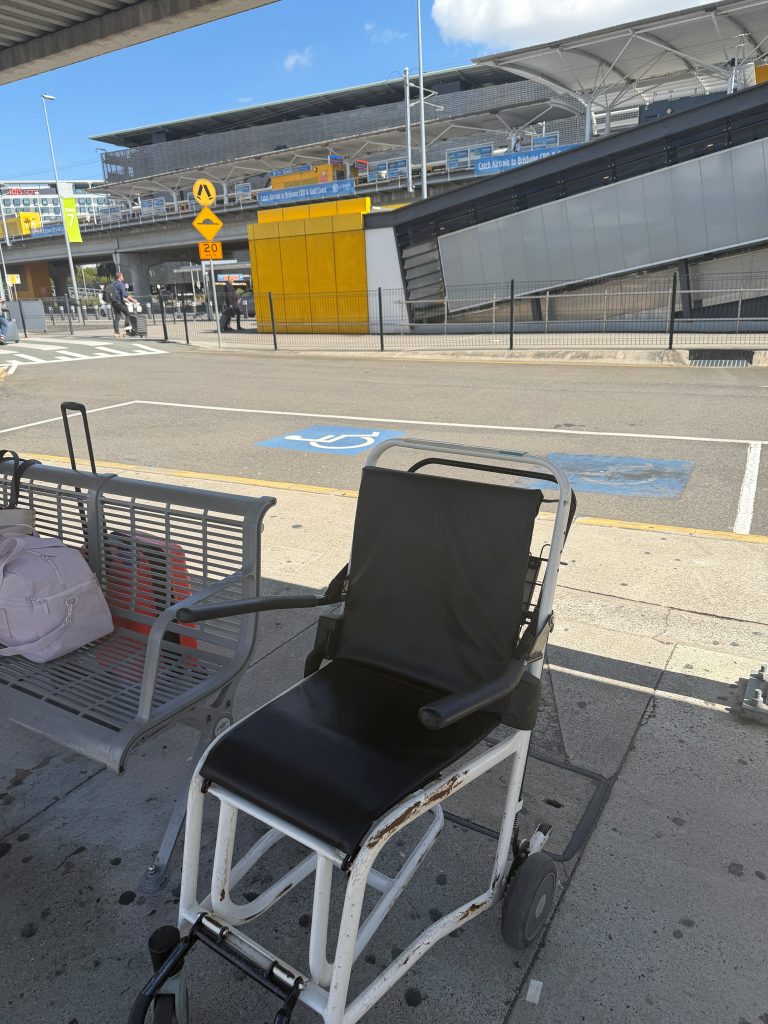
More than one in five Australians lives with disability. Yet for many, boarding a plane remains an act of courage. People with physical disability are routinely separated from their mobility aids for hours, lifted by untrained staff, denied the right to travel because of unclear rules, or left stranded when a $30,000 wheelchair arrives in pieces at the other end.
"Every week we hear from members who have been dropped during transfers, had their wheelchairs destroyed, or been told at the gate that they can't fly because 'the quota is full,'" said Suzanne Gearing, CEO of Physical Disability Australia. "No other group of Australians is asked to gamble their independence and dignity every time they travel. That ends only when the rules are mandatory, specific and enforced."
"The Government deserves credit for co-designing these options with people with disability - that is exactly how this should be done," said Suzanne. "But co-design means nothing if the final standards are a wish list. We are asking the Minister to choose the regulatory option every time dignity is on the line."
The cost of inaction
PDA's submission highlights that the Disability Standards for Accessible Public Transport 2002 have applied to aviation for more than two decades, yet, as the Government's own consultation paper acknowledges, "people with disability have made it clear that issues remain."
" Airlines and airports have had every opportunity to get it right voluntarily," Suzanne said. " but we have received feedback from over 3700 travellers with disability who make it clear that the 24 years of guidance have been largely ignored. We are asking government to make sure that promise is kept in law, not in a brochure."
Suzanne goes on to say, "Flying is not a luxury. It is how we get to work, to medical care, to family, to a life. We are not cargo. We are passengers. It's time the rules said so."
Key positions in PDA's submission include:
-
Mobility aids treated as an extension of the person. Mandatory requirements that disability aids are carried free, in-cabin where possible, protected from damage, tracked in real time and returned at the aircraft door, not at the baggage carousel.
-
Stay in your own chair for as long as possible. Binding standards that allow passengers to remain in their own mobility device through check-in, security and to the aircraft door, with a genuine choice of transfer method.
-
An end to secret caps. Clear, published and justified limits (if any) on the number of passengers requiring assistance per flight , and no last-minute refusals at the gate.
-
One set of rules, one point of accountability. Clearly defined roles and responsibilities between airlines and airports so passengers are never bounced between the two while their needs go unmet.
-
Trained staff, every shift, every airport. Mandatory disability competency training co-designed with people with disability.
-
Nothing about us without us. Enforceable requirements for disability reference groups at major airports and airlines, and public reporting against the standards.
-
Equal fares, equal access. No "accessibility penalty" - people with disability must be able to book the same fare regardless of whether they book online, by phone or through assistance channels.
-
Independence in the air. Accessible toilets, moveable armrests, accessible passenger controls and in-flight information in accessible formats as standard on new and refurbished aircraft.
-
Close the small-aircraft loophole. Regional Australians with disability should not have fewer rights because they fly on smaller planes
About us:
Physical Disability Australia (PDA) is a national peak body run by and for people with physical disability. We represent the interests of Australians with physical disability, including people who use wheelchairs, mobility scooters and other mobility aids, and people with conditions affecting movement, strength, dexterity and stamina. We advocate for the removal of barriers that prevent people with physical disability from participating fully and equally in the community.
Contact details:
Suzanne Gearing CEO
0484187208