
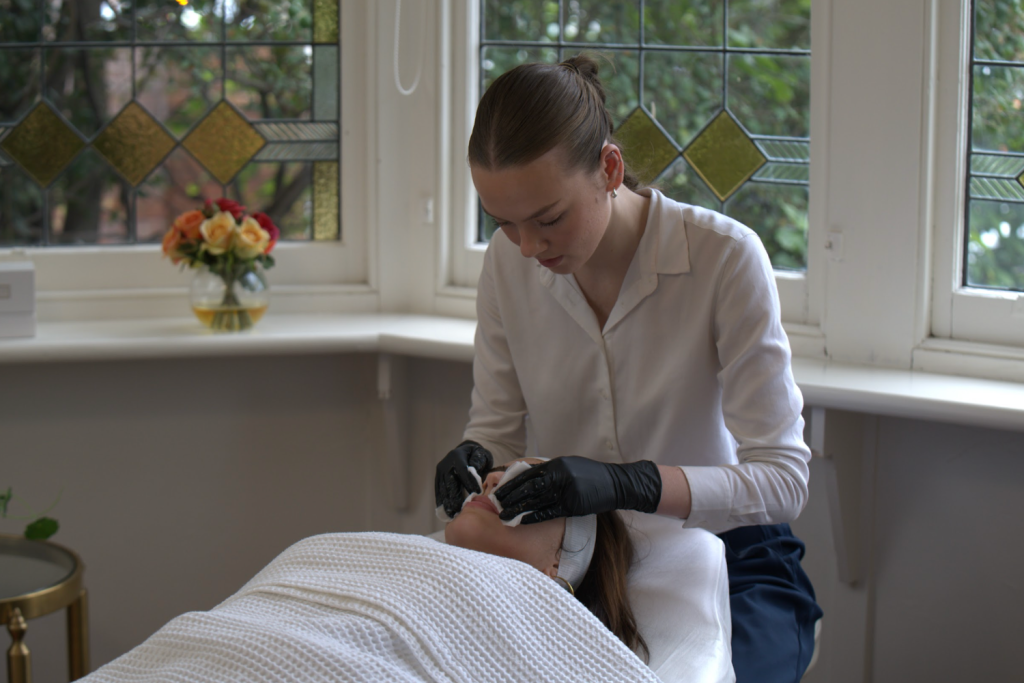
- Facial volume loss following GLP-1 receptor agonist therapy (commonly known as Ozempic face) has become one of the most consistent presentations in cosmetic medicine in 2026, with research documenting a median 9% decrease in total midfacial volume and approximately 7% loss per 10 kilograms of weight lost.
- The condition is clinically distinct from normal facial ageing, as rapid weight loss depletes subcutaneous facial fat faster than the skin can adapt, producing hollowing, jowling, and loose skin; the degree of change correlates more closely with the rate of weight loss than the total amount lost.
- A 2026 Allergan Aesthetics survey found 61% of GLP-1 patients reported midface volume loss, 50% reported skin laxity, and 35% reported new wrinkles or folds as their primary aesthetic concerns.
- Dr Tass Tasiopoulos, founder of Dr Tass Cosmetic & Skin Clinics, emphasises that thorough assessment of affected fat compartments and tissue quality before treatment is essential, as volume restoration without proper evaluation can produce heavy or misplaced-looking results.
- According to a McKinsey 2025 survey, 63% of GLP-1 patients seeking facial treatments had never previously engaged with cosmetic medicine, highlighting a significant new patient group entering the field.
MELBOURNE, Australia — 4 November 2026 — Dr Tass Cosmetic & Skin Clinics, a Melbourne cosmetic medicine practice with more than 20 years of clinical experience and over 80,000 procedures performed, says facial volume loss following GLP-1 receptor agonist therapy has become one of the most consistent presentations in cosmetic medicine in 2026, and that many patients arriving at the clinic are unaware the changes they are experiencing have a clinical explanation and treatment pathway.
The phenomenon, referred to in medical literature and public discourse as "Ozempic face", describes the facial hollowing, skin laxity, and accelerated soft-tissue change that occurs following rapid weight loss associated with GLP-1 drugs including semaglutide (Ozempic, Wegovy) and tirzepatide (Mounjaro). A 2025 Vanderbilt University study published in Otolaryngology measured facial volume in patients on GLP-1 medications using CT and MRI imaging and documented a median 9% decrease in total midfacial volume, with approximately 7% loss of midfacial volume per 10 kilograms of weight lost. A 2026 Allergan Aesthetics survey of healthcare providers found 61% of GLP-1 patients reported midface volume loss, 50% reported skin laxity, and 35% reported new wrinkles or folds as their primary aesthetic concerns.
The clinical picture is distinct from normal facial ageing, and the distinction matters for treatment planning. Normal ageing produces gradual volume deflation across multiple facial compartments over years, allowing the skin to partially adapt. Rapid weight loss from GLP-1 therapy depletes subcutaneous facial fat faster than the overlying skin can respond, producing hollowing in the midface, jowling along the jawline, and skin that drapes loosely rather than following the underlying contour. The degree of change correlates more closely with the rate of weight loss than with the total amount, which means patients who lose weight quickly are more susceptible than those who lose the same amount gradually.
"The patients presenting to us after GLP-1 therapy are often surprised that what they are experiencing is a recognised clinical pattern, not an idiosyncratic reaction to the medication. The face loses structural fat in a way that looks different from ageing and responds differently to treatment. A thorough assessment of which fat compartments have been affected and what the tissue quality looks like before any treatment is started is what determines a good outcome. Patients who have had volume restored without that assessment often find the result looks heavy or misplaced," said Dr Tass Tasiopoulos, MBBS, BSc Hons, FCPCA, founder of Dr Tass Cosmetic & Skin Clinics.
A McKinsey 2025 survey of aesthetics providers found 63% of GLP-1 patients seeking facial treatments had never previously engaged with cosmetic medicine. Dr Tass Cosmetic & Skin Clinics provides facial assessment and treatment following an in-person clinical consultation, with all recommendations based on the individual patient's facial structure, skin quality, and treatment goals. The practice operates across three Melbourne locations: Crown Spa Melbourne, Port Melbourne, and Ripponlea.
About us:
About Dr Tass Cosmetic & Skin Clinics
Dr Tass Cosmetic & Skin Clinics is a Melbourne-based cosmetic medicine practice founded by Dr Tass Tasiopoulos (MBBS, BSc Hons, FCPCA), a registered medical practitioner with more than 17 years of clinical experience since 2009 and over 60,000 procedures performed. The practice operates across three Melbourne locations: Crown Spa Melbourne, Port Melbourne, and Ripponlea, and holds AGPAL accreditation.
Contact details:
Media Enquiries
Dr Tass Cosmetic & Skin Clinics
Stephanie Tasiopoulos
03 9908 3737