Younger Australians with life-limiting illness are being left without the basic support they need to die at home, with thousands each year missing out on vital support to help them stay out of hospital safely.
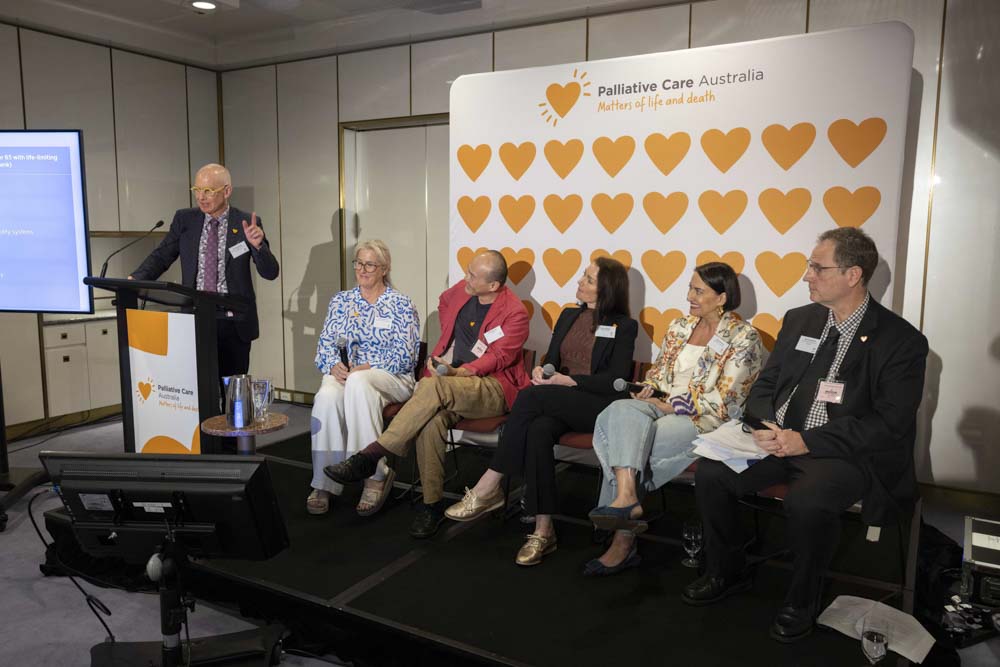
Palliative Care Australia (PCA), together with Parliamentary Friends of Palliative Care co-convenors Senator Kerrynne Liddle and Senator Raff Ciccone, today gathered advocates, clinicians and peak bodies from across the country at Parliament House to highlight the issue and call for urgent, coordinated reform.
PCA CEO Camilla Rowland said age should not determine the level of care and support someone receives at the end of life.
“People under 65 are falling between the cracks of the NDIS, aged care and health systems,” Ms Rowland said.
“If people don’t qualify for the NDIS or aged care systems, there is no clear pathway to access basic support at home, and people are left navigating complex processes at the most vulnerable time in their lives.”
A keynote address from Fiona Hassmann of the Peace of Mind Foundation brought the human impact into sharp focus, drawing on her lived experience supporting her partner through terminal illness and now working with families facing similar challenges.
“There is no system built for people under 65 who are dying… the safety net is not a net at all, it is a series of gaps,” Ms Hassmann said.
Her address highlighted how, when supports do align across disability, health and palliative care, people can die at home with dignity, but for most families this remains the exception rather than the norm.
PCA Chair Dr Peter Allcroft said a significant cohort of Australians are missing out on essential support.
“This is not a marginal issue. It is a systemic failure that is causing real harm to individuals and families,” Dr Allcroft said.
“Each year, thousands of Australians with advanced life-limiting illness go without the practical support they need, like personal care and help at home – support that is fundamental to dignity and quality of life.”
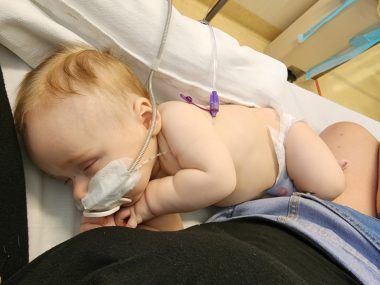
PCA estimates that up to 10,000 Australians under 65 with advanced life-limiting illness, including children and adolescents (and people in rural and remote locations), are unable to access the functional support required to remain safely at home.
Without this support, many face extended hospital stays or are forced into early entry to residential care, outcomes that are distressing for individuals and families, and place additional pressure on the health system.
Speakers from across the sector, including lived experience, clinical care and national peak bodies, highlighted ongoing challenges including delays in accessing support, inconsistent NDIS decisions, and confusion about which system is responsible for care.
The group is calling for coordinated national action, including:
- A clear commitment by all governments that filling this service gap is a priority, with national leadership from the Australian Government
- Jointly funded trials across multiple locations to test the size and support needs of this cohort
- Better coordination between disability and palliative care services, with clearer roles and responsibilities across systems
- Faster and more flexible access to support for people at a very challenging time.
Participants also reinforced the need for this issue to be prioritised in an updated National Palliative Care Strategy Implementation Plan.
“This is about ensuring people can die with dignity, in the place of their choosing, with the support they need,” Ms Rowland said.
“For too many younger Australians, that is not currently possible.”
Contact details:
For interview requests with Camilla Rowland, Dr Peter Allcroft or Fiona Hassmann, please contact:
Greg Kimball, PCA Communications Manager
E: [email protected] or [email protected],
M: 0402 800 649