
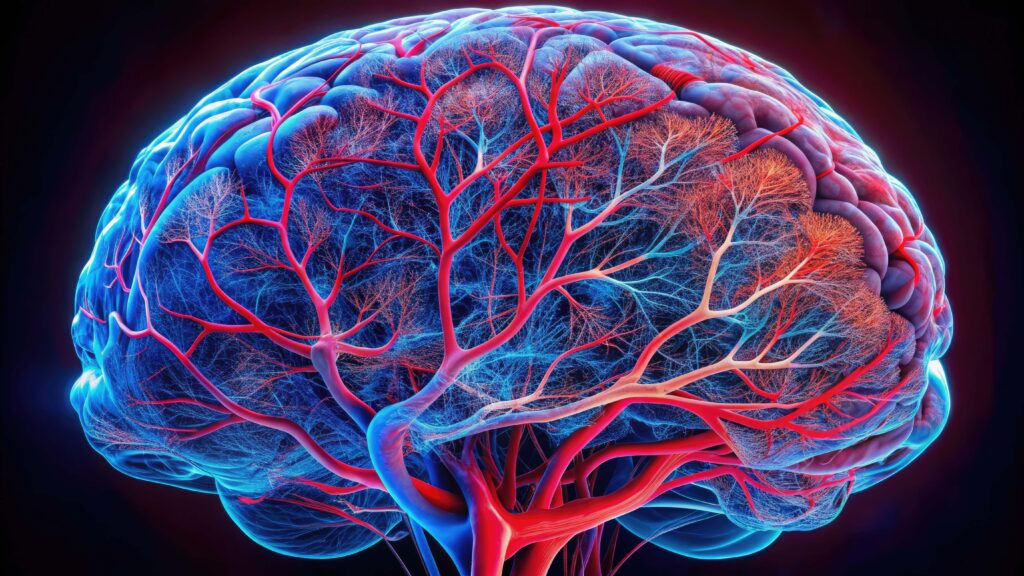
An international team of clinicians and researchers, led by the Centre for Healthy Brain Ageing’s Professor Perminder Sachdev and Dr Adam Bentvelzen, has today unveiled new diagnostic criteria for vascular cognitive impairment and dementia (VCID) – a common but less well-known cause of dementia.
The criteria, published in JAMA Neurology, aim to bring clarity and consistency to the diagnosis of VCID, which includes vascular dementia and milder forms of vascular-related cognitive decline.
As part of an international consortium involving experts from more than 20 countries and backed by the World Stroke Organization, the new VASCOG-2-WSO Criteria is an update of the original VASCOG criteria released in 2014. They incorporate the latest scientific developments in neuroimaging and biomarkers and offer detailed, practical guidance to support clinical and research diagnosis globally.
VCID, which results from damage to the brain’s blood vessels, is the second most common cause of dementia after Alzheimer’s disease. Yet, despite its high prevalence and potential for prevention, progress has been hampered by a lack of standardised diagnostic tools.
“This is a major step forward,” said Prof. Perminder Sachdev, lead author and Co-Director of UNSW’s Centre for Healthy Brain Ageing (CHeBA).
“With these criteria, we now have an international standard that will help clinicians more confidently diagnose vascular contributions to cognitive impairment and dementia - and support more targeted, collaborative research.”
Developed through a rigorous three-round Delphi consensus process, the criteria reflect input from over 50 world-leading clinicians and researchers in ageing, dementia and stroke. Notably, they introduce new categories such as ‘preclinical’ or ‘at-risk’ VCID, helping identify people who may benefit from early intervention before symptoms emerge.
“Vascular contributions to cognitive decline are widespread but under-recognised,” said Dr Adam Bentvelzen, Study Coordinator and Senior Research Associate. “This work will be crucial for more accurate diagnosis, better global research collaboration, and ultimately for developing effective interventions.”
The new VASCOG-2-WSO criteria align with recent international dementia guidelines and are already being endorsed as a global benchmark for the field. The authors hope they will be adopted in clinical settings, research studies, and future treatment trials focused on preventing and managing vascular brain injury.
Contact details:
Heidi Douglass