Researchers from the Centenary Institute and the University of Technology Sydney (UTS) have developed a human heart cell model demonstrating that the virus that causes COVID‑19 (SARS-CoV-2) can directly infect heart tissue, providing new insight into why some people experience serious heart complications during and after infection.
The findings come as COVID-19 continues to affect Australians’ health, with more than 185,000 cases reported nationally in the past year, according to the Federal Government’s Notifiable Diseases Surveillance System.
Published in the journal Biofabrication, the study used tiny, beating clusters of human heart cells known as cardiac spheroids or ‘mini-hearts’ that behave more like real human heart tissue than standard laboratory cell models. Using this 3D system, the team showed that the SARS‑CoV‑2 virus can directly infect heart tissue, triggering damaging inflammation and changes linked to impaired heart function.
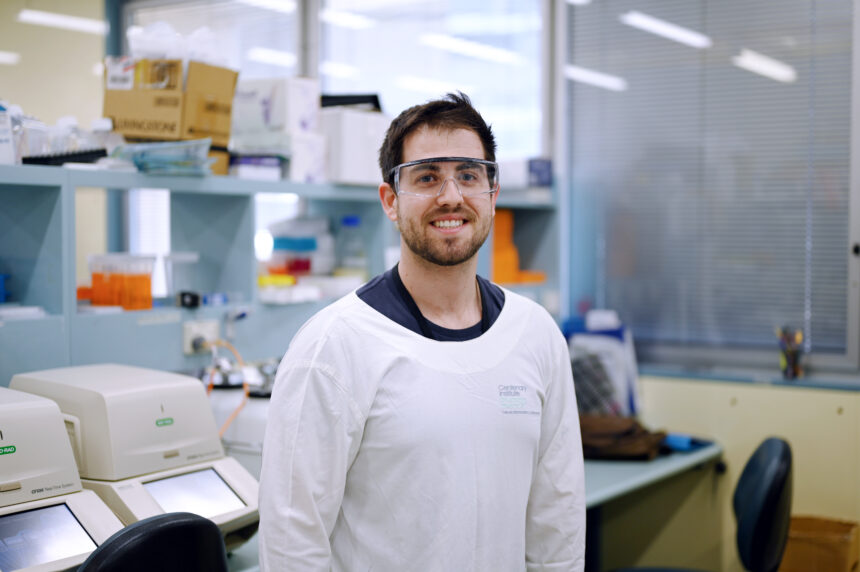
“When we began this work early in the pandemic, it was unclear whether COVID-19 was damaging the heart indirectly through inflammation and the immune system or directly by infecting heart cells themselves,” said Dr Matt Johansen, co-first and co-senior author of the study and researcher at the Centenary Institute and UTS.
“Our results suggest that the virus can directly infect human heart tissue when the conditions are right, setting off damaging processes. This could explain why heart complications are a significant concern in COVID‑19, even in people with no previous heart disease.”
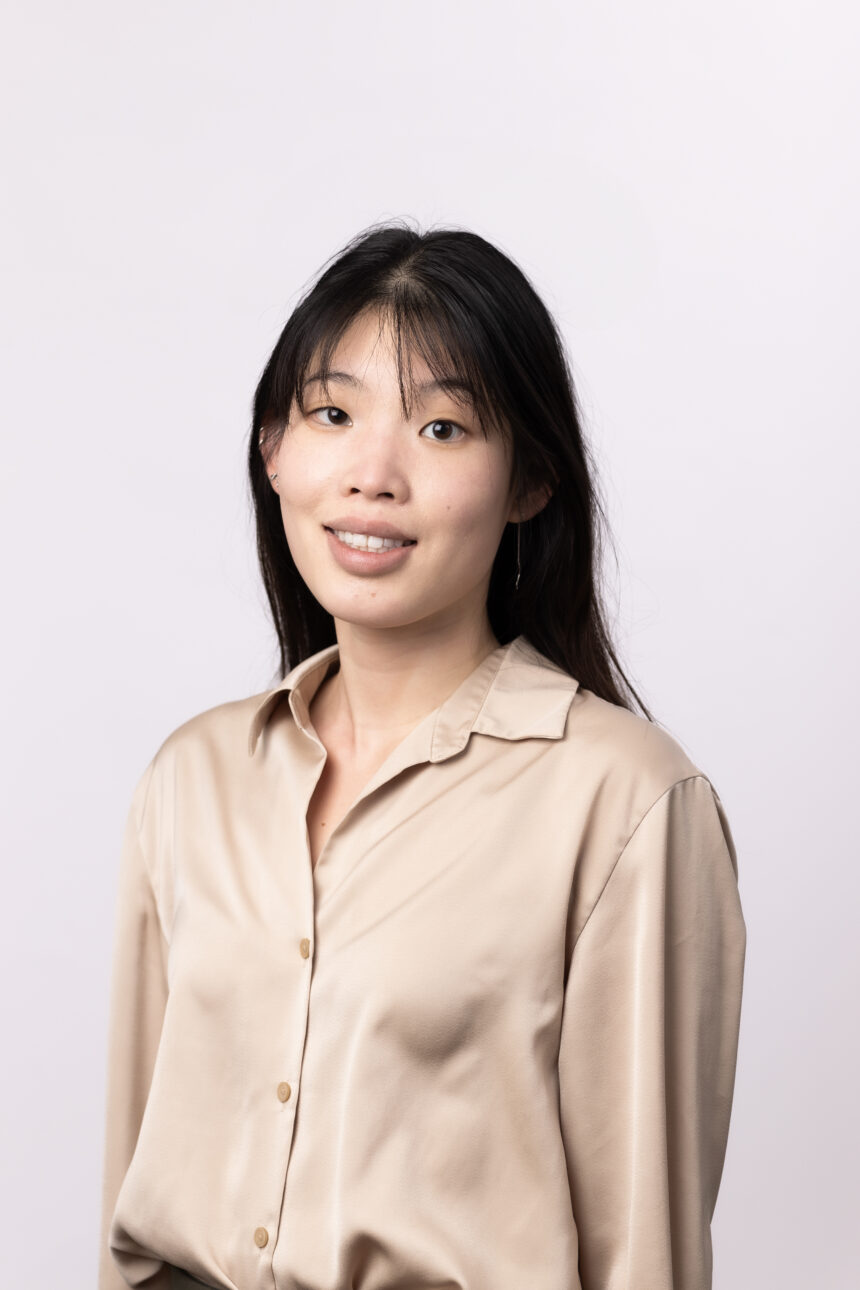
Co-first author Dr Clara Liu Chung Ming, a PhD student at UTS when the research took place and now a researcher at the Heart Research Institute (HRI), said the team found that SARS-CoV-2 was able to infect and multiply within the 3D heart tissue model but not in individual heart cell types grown on their own.
“This highlights the importance of studying heart cells in a model that closely reflects how they are organised in the human heart,” Dr Liu Chung Ming said.
“It also shows that the way different heart cells interact and communicate plays a key role in how COVID-19 infection can lead to heart damage. This human-based model gives us a new way of understanding what may be happening in patients, including those who experience ongoing heart symptoms after COVID-19.”
Co-senior study author Associate Professor Carmine Gentile from UTS and Group Leader at the HRI said the model helps lay the groundwork for developing new strategies to protect the heart from COVID-19 as well as other viral threats.
“It could offer a valuable tool for testing future treatments and for helping us prevent or reduce heart damage caused by viral infection,” Associate Professor Gentile said.
“By understanding exactly how viruses can damage the heart, we can improve care for people affected by COVID‑19 and be better prepared for future pandemics.”
[ENDS]
Publication:
SARS-CoV-2 infection of 3D in vitro cardiac spheroids models the activation of antiviral, inflammatory, fibrotic and contractility responses in a dose-dependent manner
https://iopscience.iop.org/article/10.1088/1758-5090/ae38d7
About us:
About the Centenary Institute
The Centenary Institute is a world-leading independent medical research institute, closely affiliated to the University of Sydney and the Royal Prince Alfred Hospital. Our research spans the critical areas of cancer, cardiovascular disease, rare diseases, infectious diseases, healthy ageing and biomedical AI. Our strength lies in uncovering disease mechanisms and applying this knowledge to improve diagnostics and treatments for patients.
For more information about the Centenary Institute, visit centenary.org.au
About the University of Technology Sydney (UTS)
The University of Technology Sydney (UTS), located in central Sydney, is one of Australia’s leading universities of technology. It is known for fusing innovation, creativity and technology in its teaching and research and for being an industry-focused university.
For more information go to uts.edu.au
Contact details:
For all media and interview enquiries, please contact
Tony Crawshaw, Media and Communications Manager, Centenary Institute on 0402 770 403 or email: [email protected]