
Approaches by some European countries and Australia to protect energy consumers could help countries worldwide phase out harmful electricity disconnections without destabilising power markets, new research has found.
The RMIT University-led study examines protections in Spain, France and Ireland and outlines how similar measures could be adapted in other competitive energy markets to reduce the harms caused by disconnections for non‑payment.
Across Europe, 20 million households were disconnected from electricity and gas at some point during 2022, according to the EU Agency for the Cooperation of Energy Regulators. In Australia, about 23,000 households had their electricity cut in 2023–24 for non-payment.
Even the threat of disconnections are known to amplify stress, risk health problems and deepen financial hardships.
That said, RMIT’s joint review with Universidad Autónoma de Madrid, University College Dublin and ISG International Business School in France found some countries have adopted strong protections that significantly limit or avoid disconnections.
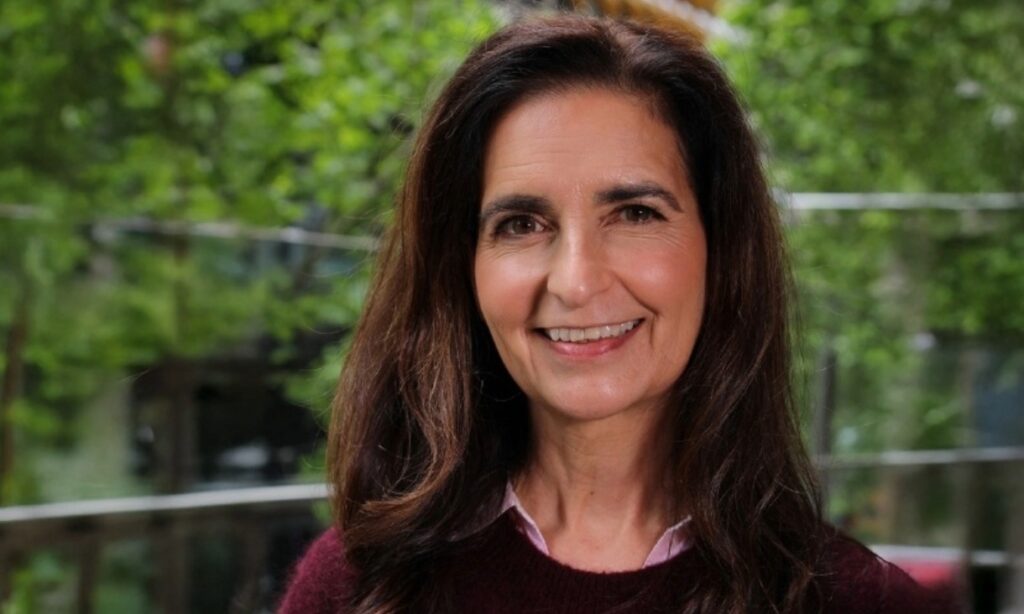
Lead researcher Associate Professor Nicola Willand from Australia’s RMIT said the research makes clear that governments and energy retailers have options if they choose to use them.
“Ending harmful disconnections is a policy choice, not an inevitability of how energy markets operate,” she said.
“If governments and regulators are prepared to act, they can design systems that keep households connected while still allowing energy businesses to remain viable.”
In Spain, vulnerable customers cannot be disconnected and the electricity costs of the most vulnerable are shared between retailers and local governments, while a national social bonus tariff provides discounts of up to 65 per cent for designated vulnerable households.
In France and Ireland, households are protected from disconnection during winter and in both France and Spain supply can be reduced rather than cut off completely, allowing essential household services to be maintained.
The Australian electricity market sets minimum debt thresholds of at least AU$500, while France, Spain and Australia do not use prepayment meters in ways that drive self‑disconnection.
Co-author Orla Dingley from University College Dublin said Ireland’s Energy Engage Code shows how disconnection policy can prioritise support over punishment.
“The commitment to keep engaged customers connected provides a model other countries could adopt," Dingley said.
Some electricity retailers in France and Spain have also voluntarily chosen to never disconnect households.
Willand said the findings underline the need for evidence-led action in many countries to extend disconnection prohibitions and strengthen safeguards for vulnerable consumers.
“By examining European and Australian models, we can see stronger protections against disconnections are both feasible and effective,” Willand said.
“These examples offer valuable lessons for any country grappling with energy affordability and consumer vulnerability.
“Existing European safeguards could be further strengthened and adapted elsewhere to ensure secure access to essential energy services.”
The study recommends extending disconnection protections to users of prepayment meters and residents in embedded networks – such as people in apartment complexes or caravan parks who buy electricity through a private intermediary – who often lack the safeguards available to other customers.
Its findings are particularly relevant for European countries reviewing consumer protections in the context of rising energy prices and the European directive to “fully protect” vulnerable and energy poor customers from electricity disconnections.
The research was funded by Energy Consumers Australia, an independent organisation established by the Council of Australian Governments to advocate for residential and small business energy consumers. Organisations wishing to partner with RMIT University can contact [email protected].
‘Balancing rights and markets: Towards a typology and critical review of residential electricity disconnection prohibitions in France, Spain, Ireland and Australia’ is published in Energy Research & Social Science. (DOI: 10.1016/j.erss.2025.104485).
Contact details:
Interviews:
RMIT University Associate Professor Nicola Willand, lead researcher: [email protected] or +61 3 9925 3679.
University College Dublin co-authors via UCD Media: +353 87 261 9938 or [email protected].
Media enquiries:
RMIT External Affairs and Media, [email protected] or +61 439 704 077.