

Skip to content
Environment

WA EPA warned Woodside of ‘serious, significant and irreversible’ harms to Scott Reef from gas plans, new documents reveal

Greenpeace Australia Pacific 2 mins read

SYDNEY/PERTH, Tuesday 27 October 2026 — In response to Western Australian Environmental Protection Authority (WA EPA) documents about Woodside’s plans to drill for gas at Scott Reef, as reported today, the following comments can be attributed to Glenn Walker, Head of Nature at Greenpeace Australia Pacific:


“These WA EPA documents show the depth of concern echoed by multiple regulators about Woodside's plans to drill for oil and gas at Scott Reef, a proposal that flouts legislated nature protection principles. 


“The WA EPA appears to have informed Woodside that the Browse project was bound for rejection based on an extensive review process and the opinion of multiple state government departments and independent experts.


“Greenpeace analyses have confirmed this year that Woodside’s gas drilling plans at Scott Reef still risk destroying vulnerable green turtle homes, further endangering pygmy blue whales with atomic bomb-level seismic blasting noise, and unleashing the worst oil spill in Australian history.


“The federal environment department raised similar red flags about oil spill risk from Woodside’s Scott Reef drilling plans in 2025 and 2026 before handing the project’s assessment over to the National Environmental Protection Authority.


“Woodside’s suggested ‘fixes’ in response to grave concerns for the wellbeing of Scott Reef and threatened species have been unilaterally criticised by independent experts for lacking in scientific basis and adequate detail.


"It would be a major backflip for both the WA EPA and the National EPA to now recommend approving this project. It is now critical that these regulators maintain their independence from corporate and political influence and reject this destructive project once and for all."


-ENDS-

Notes to editor
Greenpeace Technical assessments of Woodside’s Browse Pygmy Blue Whale Management Plan, the Turtle Management Plan, and an analysis of Woodside’s Browse Oil Spill Modelling and Risk Mitigation Plan


High res images and footage of Scott Reef can be found here 


Contact details:

Emma Sangalli at [email protected] or 0431 513 465
Media

More from this category

  • Environment, Political
  • 27/10/2026
  • 13:00
Act on Climate - Friends of the Earth Melbourne

FOR IMMEDIATE RELEASE: Dangerous Climate Fund Paradox: Disaster Ready Fund Investing Millions in Fossil Fuels and Weapons

As published today by online outlet Cheek Media, Friends of the Earth’s Act on Climate Collective has revealed that Australia’s Disaster Ready Fund (DRF), a government initiative designed to build community resilience against climate-driven disasters, is currently investing nearly 100 million dollars in the very industries fuelling the crisis. The DRF, which provides up to $1 billion over five years to reduce disaster risk was established to prepare communities for the impacts of climate change. However, new research by Act on Climate shows that the fund’s portfolio includes significant allocations to sectors directly responsible for environmental destruction. According to Act…

  • Environment, Local Government
  • 27/10/2026
  • 11:37
North Sydney Council

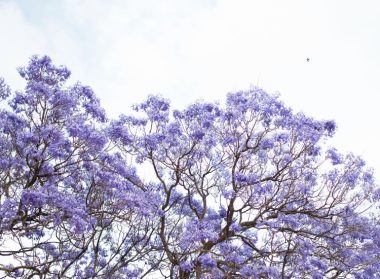
Kirribilli road closures for Jacaranda season start this weekend

North Sydney is turning purple as our beautiful Jacaranda trees come into bloom across the area. To help manage the visitors in McDougall Street,…

  • Contains:
  • CharitiesAidWelfare, Environment
  • 27/10/2026
  • 11:03
Oxfam Australia

Richest 0.1% of Australians produce 31 times more carbon pollution than poorest half of the population

For immediate release The richest 26,000 Australians (0.1%) produced over three times more carbon pollution than the entire populations of Australia's largest cities; Melbourne, Sydney and Brisbane combined. In just over a year (428.3 days), someone from Australia’s richest 0.1% emits more CO2 than someone in the poorest half has emitted over the last 30 years Australia's private jets emitted more CO2 in just over an hour (74.1 minutes) than the average person in Australia will emit in an entire year. The emissions from these private jet flights were equal to the total yearly emissions of 84,000 Nepalis combined. The…

Media Outreach made fast, easy, simple.

Feature your press release on Medianet's News Hub every time you distribute with Medianet. Pay per release or save with a subscription.