
Talent Alert: Sustainable Population Australia’s President, Peter Strachan calls for sensible public policy that takes heed of the driest continent’s ecological limits to growth.
Australia is overpopulated and has breached its ecological limits
Sustainable Population Australia (SPA) calls for sensible public policy that takes heed of the driest continent’s ecological limits to growth, as demonstrated by a record of steady environmental decline over the past 100 years. Capping annual net migration below 70,000 to ensure Australia’s population remains below 30 million, would limit further degradation.
SPA’s President, Peter Strachan says: “The impact of a rapidly expanding population continues to significantly degrade Australia’s biophysical environment. The evidence is clear from six official State of the Environment reports since 1996.”
Australia’s population has doubled to 27.4 million over the past 50 years, and more recently added 8.3 million or 43 per cent since the year 2000, including 651,200 in the year to December 2023. Mr Strachan asks: “what possible benefit can accrue to our natural environment, while growing population pressure on the nation continues along an uncontrolled, mindless path? How can Australians remain resilient in the face of threats posed by climate change and how will quality of life be sustained as our environment is further degraded?
“Adding more people will leave our nation more vulnerable to the impacts of a hotter, drier and more extreme climate in southern Australia, including prolonged droughts when crops will fail. How will this situation be improved by continuing population expansion that may drive Treasury’s raw GDP growth, but no longer delivers meaningful improvements in our quality of life?”
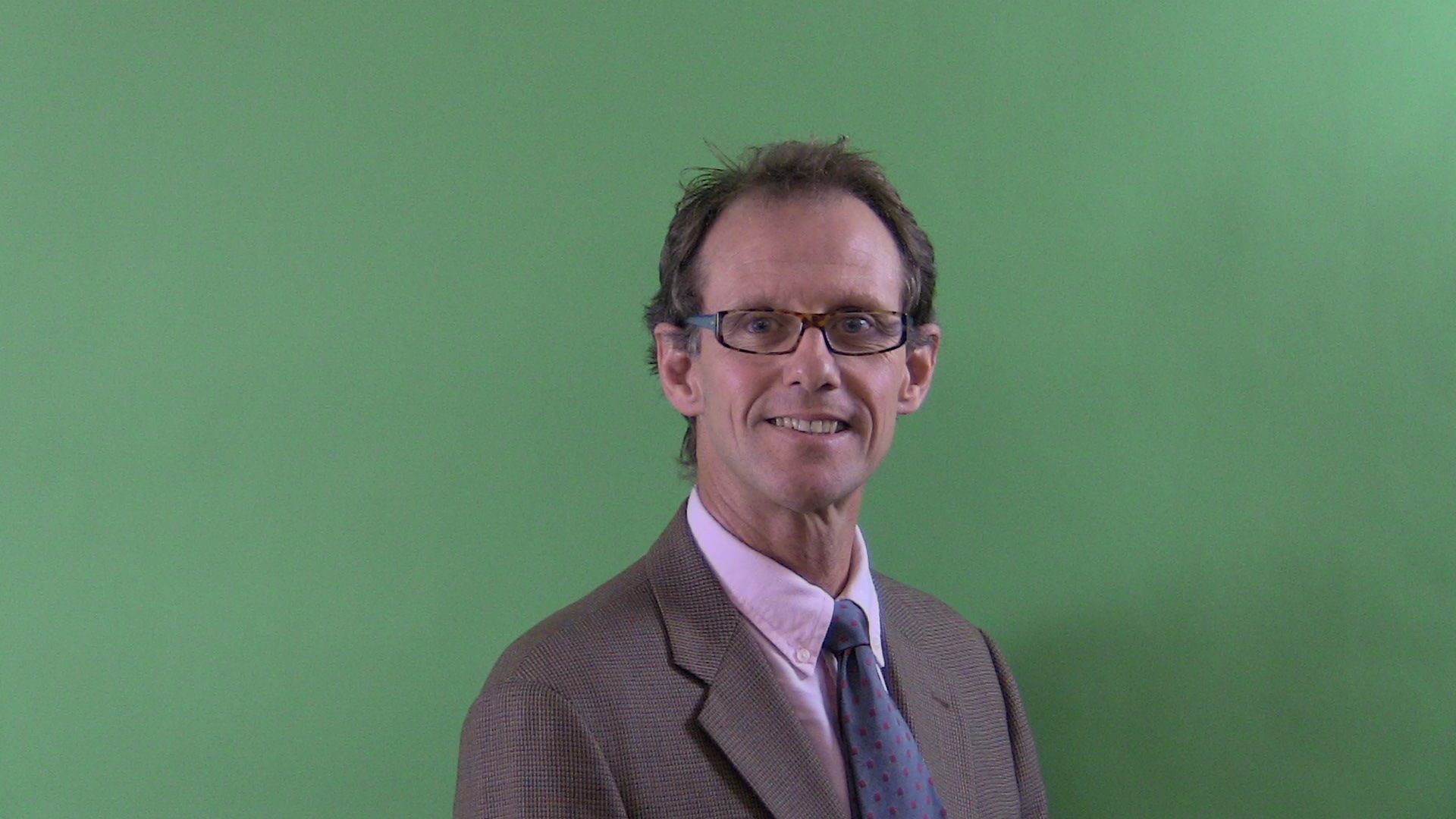
SPA National President Peter Strachan
In the driest continent, water for urban areas is being backed up by energy-hungry desalinated supply during dry periods while the rapidly expanding city of Perth couldn’t survive without it.
Population driven urban infill and expansion to accommodate ever more people results in higher bushfire and flood risk, loss of agricultural land, deforestation, loss of native plant and animal habitat. Declining precipitation due to climate change, as well as soil acidification, rising salt, and erosion, threatens agricultural productivity.
“Regeneration of our damaged ecosystems cannot succeed if we continue to inflict more damage with more population growth.
“Degradation of the natural environment also has social and economic impacts. Consequently, real household incomes are in decline, 3.7 million Australian households are food insecure in what is nominally one of the wealthiest nations on Earth, while demand from rapid population growth has pushed housing costs beyond a price that most can afford.”
The nation’s finite supply of minerals and energy must be marshalled for the long term. Australia is over-reliant on vital imports of fertiliser, liquid petroleum products and other essential raw materials, leaving us vulnerable to external events in a deglobalizing world.
Elected representatives are charged with mapping out a sustainable future. SPA urges those in Canberra to lift their gaze and set policy that might offer some chance of averting the environmental disaster that attends the current foolhardy trajectory.
Key Facts:
Sustainable Population Australia calls for Australia's population to remain below 30 million, achievable by capping annual net migration below 70,000 per annum.
SPA calls for Australia's elected Federal representatives to set population policy in accordance with ecological limits on the driest inhabited continent.
About us:
Sustainable Population Australia (SPA) launched our "Say NO to a Big Australia!" campaign. It has already gathered more than 15,000 signatures on our position statement, calling for a stabilised Australian population, maintained within ecological limits.
https://population.org.au/say_no_big_oz_campaign/
Contact details:
Peter Strachan
SPA National President
[email protected]
Ph 0412 400 952