With national productivity growth under intense policy and boardroom focus, new research suggests a surprising performance lever may lie not in strategy decks, but in soap dispensers, printers and procurement systems.
Nearly half (48%) of Australian employees say they have experienced delays or disruption in their role due to poor-quality workplace supplies or outdated equipment, according to new national research commissioned by COS (Complete Office Supplies), Australia’s largest family-owned workplace supplies business.
The findings suggest that while businesses focus on strategy, digital transformation and workforce flexibility, many are overlooking a fundamental driver of productivity: getting the basics right.
The study of 1,000 Australian employees found that disruptions most commonly stem from malfunctioning printers, laptops or tech accessories (24%), outdated equipment incompatible with modern software (24%), and employees resorting to workarounds or bringing in personal items to stay productive (21%).
Delays in restocking and poor procurement systems (19%) and low-quality stationery, chairs or basic supplies (12%) were also cited as contributors to unnecessary operational bottlenecks.
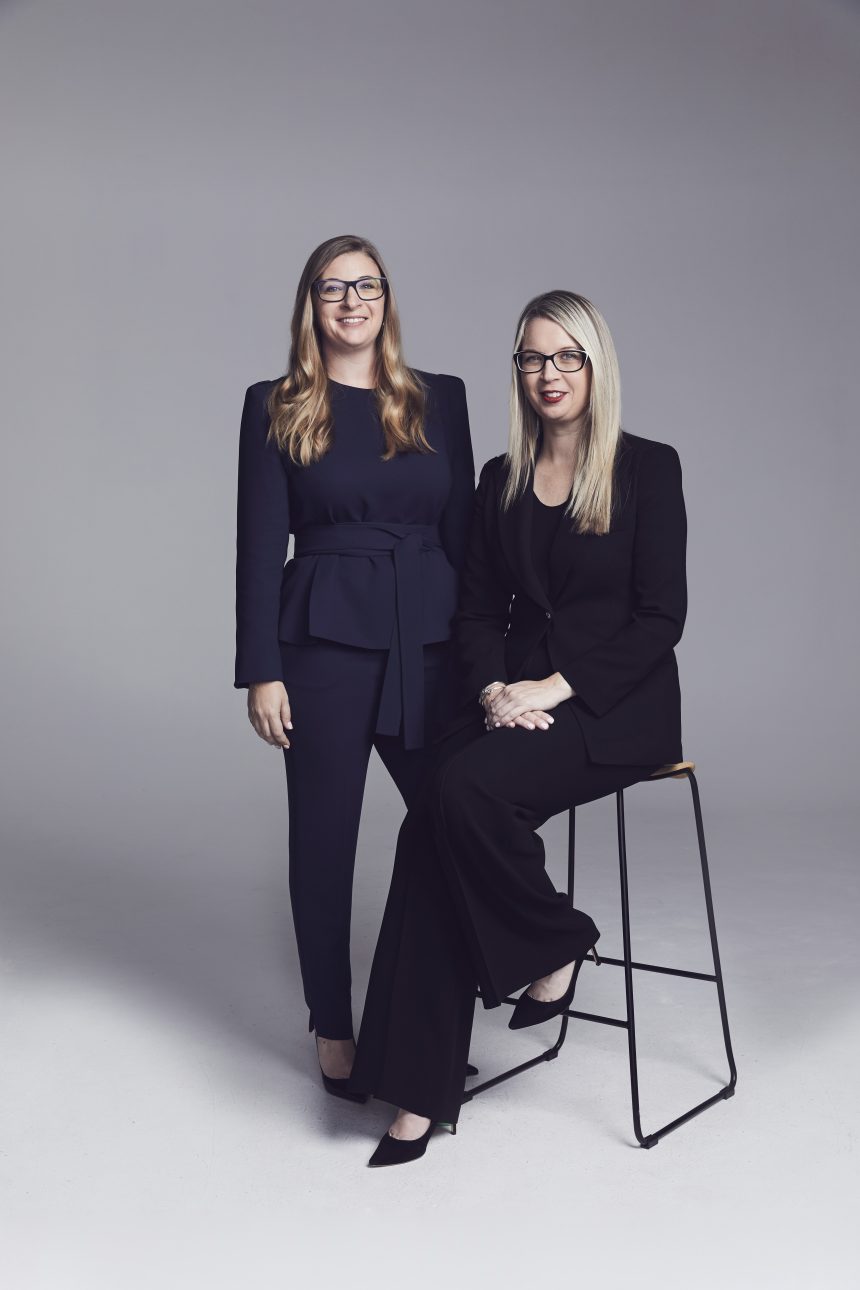
Belinda Lyone, Co-CEO of COS, says the data reveals a blind spot in many productivity conversations.
“Business leaders talk about performance, innovation and culture, but productivity is often lost in the everyday friction points. If your printer doesn’t work, your systems don’t integrate, or your team is wasting time sourcing their own supplies, you are eroding output in ways that rarely show up on a balance sheet but absolutely show up in results,” says Lyone.
The research also highlights that workplace wellbeing extends beyond desks and devices.
More than 2 in 5 employees (42%) say the quality or availability of bathroom and cleaning products impacts their comfort, health or productivity. Inconsistent cleaning standards (27%) and essential items such as soap and paper towels running out too quickly (25%) were the top concerns.
Similarly, 40% say the quality or availability of kitchen supplies affects staff morale, productivity or wellbeing . The most common frustrations include essentials like tea, coffee and milk running out (29%), broken or low-quality appliances (22%), and staff bringing their own kitchen items to compensate (23%).
“You can’t separate workplace performance from workplace environment,” Lyone explains. “If facilities are poorly maintained or basics are unreliable, it sends a message that employee experience is secondary. Over time, that impacts engagement, retention and brand reputation.”
The generational divide is also notable. Gen Z employees are significantly more likely than Baby Boomers to report disruption from poor-quality supplies or outdated equipment (57% vs 37%), suggesting that younger workers, accustomed to seamless technology and high standards, have lower tolerance for inefficiency.
Conversely, among employees who have not experienced disruption, 28% say it is because reliable, fit-for-purpose equipment is viewed as essential to staff performance and wellbeing, not an afterthought. Others cite proactive procurement teams (18%) and investment in high-quality, regularly replenished supplies (19%) as key factors.
For COS, which delivers thousands of products daily to workplaces, schools and hospitals across Australia, the findings reinforce the commercial importance of operational fundamentals.
“Workplace essentials are not just an expense line. They are infrastructure for performance,” says Lyone. “Reliable technology, stocked facilities and quality consumables reduce friction, protect health and create an environment where people can focus on value-adding work.”
To help organisations close the productivity gap, COS shares five practical steps:
- Be proactive about finding and solving pain points
Engage staff to identify where equipment, supplies or facilities are slowing down daily tasks. Small inefficiencies compound over time.
- Prioritise fit-for-purpose over lowest cost
Short-term cost-cutting on equipment and consumables can create longer-term operational losses through downtime and rework.
- Modernise procurement systems
Streamlined, proactive replenishment processes prevent bottlenecks and ensure critical supplies are available when needed.
- View hygiene and kitchen facilities as wellbeing assets
Clean, well-stocked bathrooms and functional kitchen spaces directly influence comfort, morale and employer brand.
- Involve employees in supply decisions
Only 34% of employees say they have been able to select the workplace supplies they use. Giving teams a voice can improve satisfaction and ensure purchases align with real needs.
Lyone concludes, “Productivity doesn’t start in the boardroom. It starts with the basics. When businesses treat workplace essentials as strategic enablers rather than background noise, they unlock measurable gains in performance, culture and competitiveness.”
For more information on COS, visit: https://www.cos.net.au/
About us:
About COS
COS is Australia’s largest family-owned and operated workplace supplies business, led by second-generation sisters, Co-CEOs Belinda and Amie Lyone. Founded in 1977 by the late Dominique Lyone, COS began as a small business with a vision for exceptional service and social responsibility. Over the past 45 years, COS has grown from a small business to a national operation with over 700 staff and warehouses in every state and territory. Every day, we deliver thousands of products to workplaces, schools, and hospitals across Australia, helping to keep them healthy, safe, and productive.
COS is proud to share that from January to June 2024, the company successfully achieved two major sustainability milestones: Net Zero Operations and 100% Renewable Electricity across all their facilities nationwide. While the company celebrate this progress, COS remains focused on maintaining and building upon these achievements for the long term. COS is also committed to giving back. Each year donating 1% of annual revenue to the Lyone Foundation, supporting local Australian charities focused on human welfare. Since 2013, COS contributed over $23M to the Lyone Foundation and helped more than 130 life-changing charities.