

News Hub
The latest breaking stories
Access up-to-date news and information on a wide range of press releases including business, finance, technology, healthcare, entertainment, and more.
Discover the most important & comprehensive stories delivered directly to you daily.
- Music, Youth
- 20/05/2026
- 07:46
NEW AWARDS PLATFORM LAUNCHES – DRIVEN BY YOUTH AND BACKED BY SIA AND TROYE SIVAN
NEW AWARDS PLATFORM LAUNCHES TO CATAPULT YOUNG MUSIC CREATORSINTO THE INDUSTRY SPOTLIGHTDriven by youth and backed by Sia and Troye Sivan, the NUMAs are set to fast-track the next wave of Australian talent A new national initiative will put school-aged Australian music creators, and their teachers, in the spotlight, with the launch of the NUMAs (Next Up Music Awards) and paid Youth Intern Program. Founded by respected music executive Milly Petriella OAM, the NUMAs have been created as a youth-led celebration of emerging talent in schools supported by student internships, designed to strengthen the pathways connecting young creators and the…
- Community, Culturally and linguistically diverse
- 20/05/2026
- 07:20
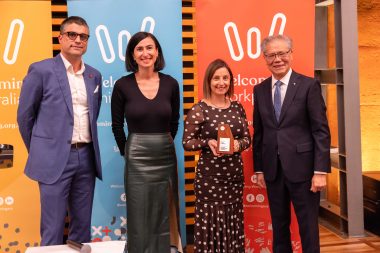
Leadership in inclusion and belonging – change-makers across Australia awarded at Welcoming Australia Symposium
Key Facts: The Welcoming Cities Awards for Change, now in its fifth year, recognised local governments, organisations and individuals across Australia for their work…
- Contains:
- Transport Automotive
- 20/05/2026
- 07:00
Monash Expert: National Road Safety Week
This week, 17-24 May, is National Road Safety Week, an annual initiative from the Safer Australian Roads and Highways (SARAH) Group, in collaboration with government bodies and road safety organisations. The week raises awareness of the devastating impact of road trauma and promotes the actions to reduce it. A Monash University expert is available to discuss Wednesday’s theme ‘Travel the road to kindness’. Dr Amanda Stephens, Senior Research Fellow, Monash University Accident Research Centre Contact details: +61 3 9905 1191 or [email protected] Aggressive driving Navigating stress on the road Understanding driver aggression The following can be attributed to Dr Stephens:…
- Manufacturing
- 20/05/2026
- 06:40
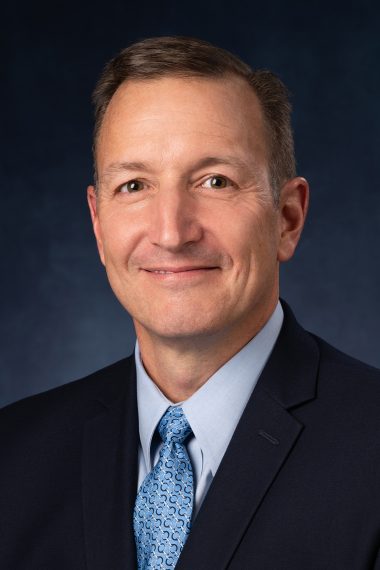
Johns Manville Announces John Vasuta as New CEO
DENVER–BUSINESS WIRE– Johns Manville (JM), a global building and specialty products manufacturer and a Berkshire Hathaway company, announced today that Bob Wamboldt will retire…
- Contains:

- Travel Tourism
- 20/05/2026
- 06:40
From hidden gem to must-visit destination: Scenic Rim launches new Visitor Guide
Key Facts: The Scenic Rim Visitor Guide will be available at visitor information centres, tourism hubs and key travel touchpoints across Queensland and surrounding…
- Contains:
- Environment, Hospitality
- 20/05/2026
- 06:30
Fast-food waste driven by wrong orders: study
A review into food waste in Australia’s quick service restaurants has found order mistakes are the biggest driver of food waste, with better staff training a key part of the solution. The quick service restaurant sector includes fast-food and takeaway outlets that serve quickly prepared meals with minimal table service. Australia loses $36.6 billion to wasted food each year – about 1.4% of GDP – eroding value across the supply chain through inefficiencies that can be reduced. The foodservice sector generates 1.2 million tonnes of food waste annually with hospitality contributing over 324,000 tonnes. Takeaway outlets, including quick service restaurants,…

- Energy
- 20/05/2026
- 06:26
Mereo Insurance Announces Move into Excess Casualty Insurance
Mereo expands into Excess Casualty Insurance by acquiring renewal rights to Everen Specialty Ltd.’s Excess Casualty Energy portfolio. HAMILTON, Bermuda–BUSINESS WIRE– Mereo Insurance Limited…
- Contains:
- Finance Investment
- 20/05/2026
- 06:15
New research consortium launched to unlock trillions in impact investing across Asia Pacific
MEDIA STATEMENT20 May 2026 As Australia enters a once-in-a-generation wealth transfer worth an estimated $3.5 trillion, UNSW Business School has launched a flagship Asia Pacific $1 million research initiative to ensure this capital drives measurable social and economic outcomes rather than reinforcing inequality. The Centre for Social Impact at UNSW and the UNSW School of Banking and Finance today announced the establishment of the Asia Pacific Impact Investing Research Consortium. The Consortium represents a new model of collaboration between academia and industry—bringing together leading researchers, philanthropic organisations, and financial institutions to co-design and deliver rigorous, practice-informed research. It is co-funded…
- General News
- 20/05/2026
- 06:00
eSafety takes action against another major ‘nudify’ service for failing to protect Australian children
eSafety has begun enforcement action against another popular AI-powered ‘nudifying’ service for not doing enough to protect children from exposure to sexually explicit deepfake images, including those of real people. eSafety has issued a formal Direction to Comply to one of the most popular ‘nudify’ services accessed in Australia, visited tens of thousands of times a month, giving the company 14 days to implement stronger protections to prevent children from accessing its service. The service allows users to upload images of real people and generate on-demand, sexually explicit deepfake content posing serious risks, including potential non-consensual exploitation and harms to…
Media Outreach made fast, easy, simple.
Feature your press release on Medianet's News Hub every time you distribute with Medianet. Pay per release or save with a subscription.