Media release
11 March 2025
The Tasmanian Government’s forthcoming Preventive Health Strategy is a positive move, but it will only be effective if it’s properly funded and its recommendations fulfilled, the peak body for public health professionals says.
The Public Health Association of Australia’s remarks come ahead of its public forum about the strategy today in Nipaluna Hobart.
“We welcome the proposed Tasmanian Preventive Health Strategy, which will join the National Preventive Health Strategy,” Association CEO, Adj Prof Terry Slevin said.
“The Rockliff Government is rightly undergoing a detailed consultation process on the strategy. But ultimately, it needs to translate its intentions into actions against chronic diseases afflicting Tasmanians, to reduce the numbers of people getting crook. And that means allocating funds to implement the strategy. Without money attached, such strategies frequently serve no benefit.
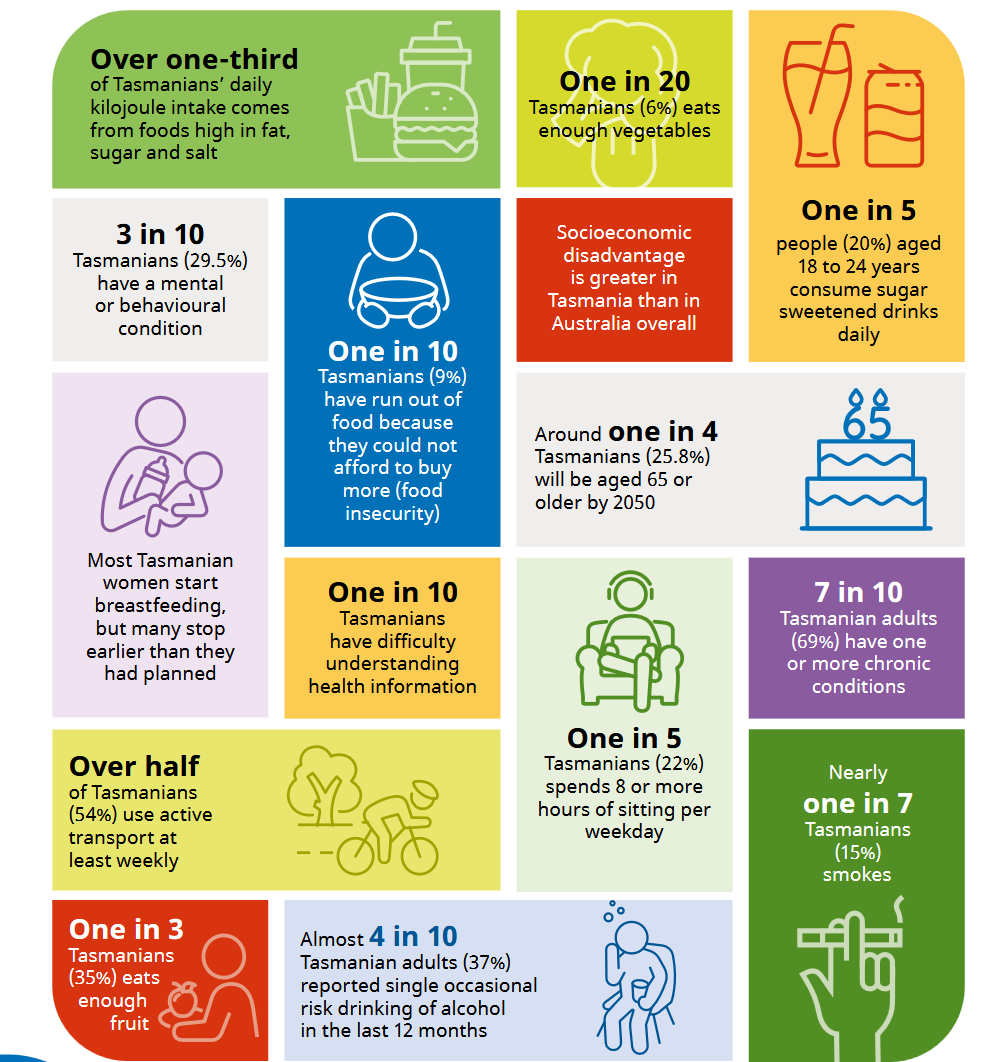
“Nearly seven in 10 Tasmanians have a chronic health condition. About 15% of Tasmanians smoke, only 6% consumed the recommended amount of vegetables, and 35% eat enough fruit. More than one third of Tasmanians’ diet comes from unhealthy products.
“We need actions like making it easier for people to build walking or riding into their daily lives, to improving access and consumption of fresh fruit and vegetables, coupled with restrictions on the marketing of unhealthy food, and where fast food outlets are located.
“Preventive health measures take time to show results, but they reduce pressures on Tasmania’s ambulances and hospital systems, and are a smart use of the public’s money. Prevention is playing the long game in health, and Tasmanians have the right to expect their government to look into the future to safeguard their health.
“If done right, this is a genuine opportunity to boost the health of the people of Tasmania,” Adj Prof Slevin said.
Media are invited to the Tasmanian Preventive Health Forum, which will be held today at the Hotel Grand Chancellor Hobart (Harbour view room 1), from 9:30am-12pm AEDT.
Speakers will include:
- Dr Louise Clark, Tasmanian Branch President and Board member PHAA
- Dr Scott McKeown, Deputy Director Public Health Department of Health Tasmania
- Dr Kim Jose, University of Tasmania and Former PHAA Tas Branch President and former Board member
- Hon Assoc Prof Nadia Mastersson, Head, Prevention, Scientific Advisory Committee, CERI Steering Committee of The Australian Prevention Partnership Centre
- Adj Prof Terry Slevin CEO of PHAA
For further information/comment:
Paris Lord (he/him), PHAA Communications & Media Manager, 0478 587 917, [email protected]
Contact details:
For further information/comment:
Paris Lord (he/him), PHAA Communications & Media Manager, 0478 587 917, [email protected]