FOR IMMEDIATE RELEASE
THURSDAY 31 OCTOBER 2024
Air pollution raises health risks for children at a fifth of Brisbane schools and childcare centres
A NEW CLIMATE COUNCIL report reveals the harm that air pollution, primarily from coal, oil and gas, is causing to Australians with new analysis showing a fifth of all schools and childcare centres across Brisbane are within 100 metres of a major road - which heightens the risks of asthma and respiratory conditions for children going there.
“Airborne hazard: How air pollution harms our kids” found 21% of Brisbane’s schools and childcare centres are concentrated near busy roads. The biggest traffic pollution danger zones were identified as: Carindale, Brisbane Inner, and Holland Park - Yeronga.
Children who are exposed to air pollution face heightened health risks including asthma and respiratory conditions. In 2021, air pollution was linked to more than three times as many premature deaths in Australia as traffic accidents. A key cause is pollution from petrol and diesel traffic, which is preventable.

See the full methodology in the report for more details.
|
City |
Traffic pollution danger zones |
% of schools & childcare centres within 100m of a busy road |
|
Brisbane |
Carindale |
36.6% (15 of 41) |
|
Brisbane Inner |
35.8% (24 of 67) |
|
|
Holland Park - Yeronga |
32.9% (28 of 85) |
Brisbane suburbs with high concentrations of schools and childcare within 100m of a busy road. See the report for the analysis of all capital cities except for Hobart and Darwin (which have a limited number of suburbs with busy roads compared to other cities)
|
Located within 100m of a major road? |
YES |
NO |
|
Childcare |
308 |
1,191 |
|
Primary School |
77 |
275 |
|
Secondary and Combined Schools |
48 |
174 |
|
Special |
14 |
43 |
|
TOTAL |
447 |
1,683 |
Table 1. Brisbane schools & childcare centres within 100m of a major road
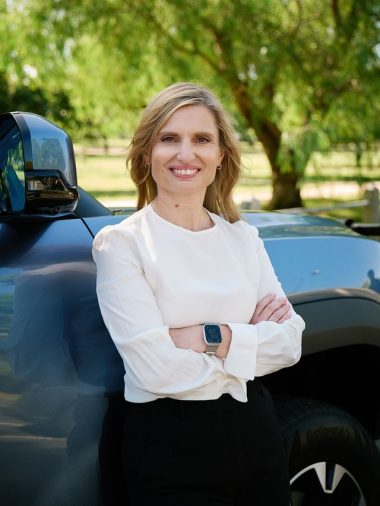
Climate Councillor and public health physician, Dr Kate Charlesworth, said: “Spending time playing outdoors should be joyful, but when you live, work or play near busy roads it can also make you sick. Children, who are still developing and breathe faster, are among the most vulnerable. We know that inhaling air pollution can be as bad for them as sucking in secondhand cigarette smoke. As a mum and as a doctor, I want to see fewer and fewer people showing up unwell in our health system because of air pollution.
“The good news is that pollution from petrol and diesel traffic is largely avoidable. There’s no reason why we can’t be doing more to clean up our roads and our lungs at the same time, right now. We’ve started cutting transport pollution with electric vehicles and encouraging people in our cities to use shared and active means of getting around, but we need to move faster.”
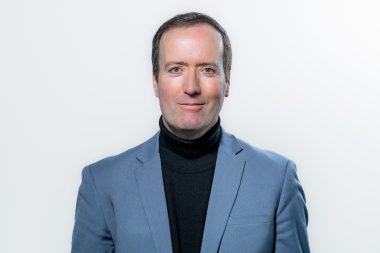
Climate Council CEO, Amanda McKenzie, said: “Air pollution is insidious and kills more than three times as many Australians as traffic accidents. Burning coal, oil and gas releases toxins and climate pollution that is harming our health and creating havoc in the environment.
“Our kids deserve to breathe clean air, and we can pass on a safer and healthier future. We already have about 40% of renewables powering our country, accelerating renewables and phasing out polluting cars and fossil fuels is crucial to cutting air and climate pollution this decade.
“Let’s give more people in our cities better travel options. So it’s easier for more people to use shared and active means of getting around our cities - like walking, riding a bike, or taking public transport - more often. This will rapidly clean up our neighbourhoods, reduce air and climate pollution at the same time, and create healthier and safer spaces for our kids to thrive in.”
ENDS
For interviews please contact the Climate Council media team on 0485 863 063, [email protected]