
- New aged care reforms starting November 2025 are prompting self-funded retirees to compare private versus subsidised care options.
- Government-funded providers are increasing prices to $90-100 per hour, with self-funded retirees expected to contribute 50-80% of costs for common services.
- Long waiting times and inconsistent care with different carers are major issues with subsidised care packages.
- Government home care packages offer limited support (less than 12 hours weekly at highest level), creating a significant gap between home care and residential care.
- Private care is emerging as a preferred alternative due to better consistency, reliability and service quality despite higher costs.
When ‘Free’ Aged Care Becomes Too Expensive to Wait For
At what point do government-subsidised in-home care packages simply become not worth it?
With reforms only weeks away and uncertainty remaining about how they’ll roll out, self-funded retirees are increasingly comparing private in-home care with subsidised options to see what they get under the new rules starting 1 November 2025.
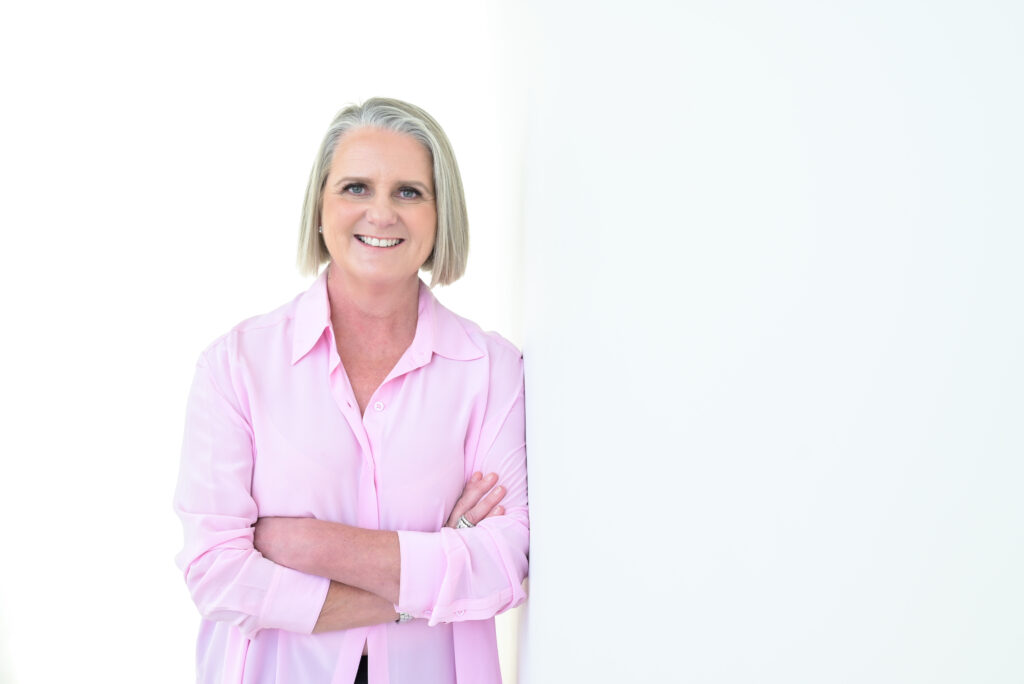
“People want peace of mind, great service, and consistent support when they need it,” says Fiona Somerville, Managing Director of Melbourne-based private home care service Acquaint.
“Even those who do qualify for subsidised care know they will still be waiting months for services to begin and soon paying thousands in personal contributions when they eventually do.”
But when those contributions are added up, many find that private in-home care is a more suitable option. “With admin fees set to be capped under the new reforms, we're seeing government-funded providers starting to lift their prices to around $90-100 per hour for carers,” she explains. Obviously, this increase will result in fewer hours of direct care under a home care package as the funded amount is capped at each level."
Under the new changes, self-funded retirees will also contribute up to 50 to 80 per cent of the costs of common services such as personal care and domestic help.
“Once families see those hourly rates rising across the board, they start to question the value. Private care gives them better options and a premium service,” Somerville says.
One of the biggest complaints Somerville hears is inconsistency in care. “One woman said her mum, who has dementia, was given a three-hour window and a different carer each day. Sometimes no one came at all. While juggling her career, she’d get constant calls about changes, then have to explain it all to her mum again, which was incredibly unsettling.”
“You can’t build trust when a different carer shows up every time. People don’t just want help with tasks in the shortest possible time frame; they want someone they know and feel safe with.”
Another big concern is the lack of middle ground between government home care and full-time residential care.
“The reforms are expected to deliver less than a dozen hours of care a week at even the highest level of support. That’s not enough to keep someone at home long-term. Then the only other option is residential aged care,” Somerville says.
“Families don’t want residential care, but the public system just can’t meet their needs at home. Private care is becoming the option that makes sense.”
– ends –
About us:
Fiona Somerville is a respected leader in aged care, with more than 20 years’
experience across aged care consultancy and healthcare
management. As the Managing Director of Acquaint, she offers a high-touch,
relationship-based alternative to traditional residential care.
Contact details:
Julie McBeth
Niche Nova Media
P:0418 992 485.
Email: [email protected]
