Melbourne, VIC: With grocery prices continuing to stretch household budgets, and rising fuel costs placing pressure across the food supply chain, more Victorians are rethinking how they access food, turning to local, community-led models to make fresh, healthy eating more accessible.
This shift comes as food security takes centre stage ahead of the upcoming Victorian Food Policy Forum, where government, researchers and community organisations will examine how to build a more resilient and equitable food system. It also comes as Victorian councils look for practical ways to meet their responsibilities under the Public Health and Wellbeing Act, where improving access to healthy, affordable food is a consistent priority.
For Kellie Wishart, CEO of Carenet, a community organisation supporting people experiencing financial hardship and social challenges, the pressure is coming from multiple directions.
“People are making trade-offs every week, and many feel priced out of fresh food. At the same time, the supply lines community organisations rely on are under strain, making it harder to move food at a local level,” she said.
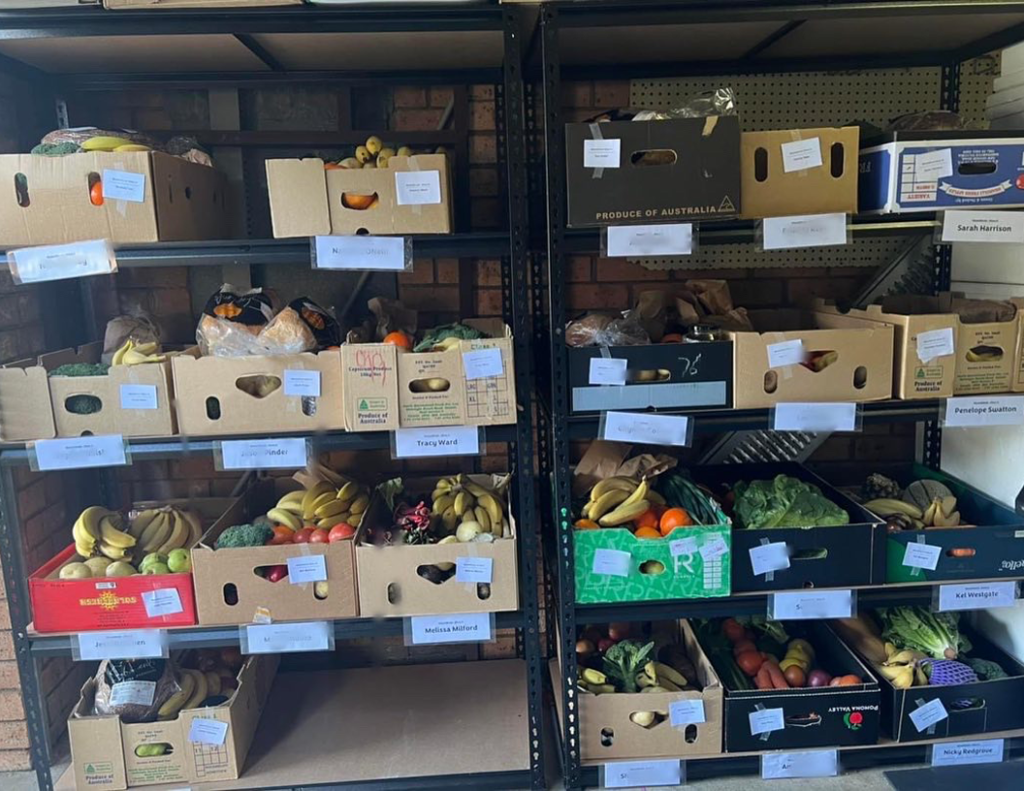
Kellie also runs a local Box Divvy Food Hub out of Carenet, connecting people in her community with affordable fresh food in a practical, everyday way.
“What Box Divvy does is strengthen the overall food system at a local level. It gives people a consistent, affordable way to access fresh food, while also supporting producers and reducing pressure on traditional supply channels,” she said.
Box Divvy is a community-powered food network that connects neighbours to fresh, seasonal produce and pantry staples in a way that is designed to be more affordable and transparent than traditional retail models. Orders are coordinated through local Hubs, often run from homes or community spaces.
By pre-ordering food in bulk, the model reduces waste, cuts excess packaging and supports a more efficient supply chain. Members can see what farmers and suppliers are paid, helping create a fairer food system.
While simple in structure, the impact is significant. Research from Western Sydney University and the University of Wollongong found food insecurity among Box Divvy members dropped from 51% to 28% after joining, with strong improvements in diet quality.
With more than 350 Hubs operating across NSW and the ACT and a growing presence in Victoria, the model is gaining recognition for its ability to deliver across health, economic and community outcomes.
For councils working with limited resources, that kind of cross-policy impact is particularly valuable. At a local level, models like Box Divvy support healthier food environments, strengthen local economies by keeping food dollars circulating, and build social connection through regular neighbourhood interaction.
Box Divvy co-founder Jayne Travers-Drapes said the model reflects a broader shift in how food systems are being reconsidered.
“Food security isn’t just a supply issue, it’s a system design issue. When access to fresh food relies on long supply chains, high overheads and centralised distribution, it becomes harder to keep food affordable and accessible,” she said. “What we’re seeing is that community-based models can do more than move food efficiently. They strengthen local economies, reduce waste and rebuild the social fabric by creating regular points of connection in neighbourhoods. That combination is where real resilience comes from.”
Nick Rose, Executive Director of Sustain: The Australian Food Network, said strengthening food security requires a broader mix of approaches.
“Australia’s food system has become highly centralised, which creates efficiencies in some areas but also leaves gaps at a local level. Community-based models can help fill those gaps by improving access, increasing flexibility and building resilience closer to where people live,” he said.
The Victorian Food Policy Forum will take place on Friday 22 May 2026, with Box Divvy co-founders Jayne Travers-Drapes and Anton van den Berg among those contributing to the discussion.
For more information, visit: https://events.humanitix.com/victorian-food-policy-forum
Issued by Lanham Media on behalf of Box Divvy
Media Contacts
Fleur Townley | [email protected] | 0405 278 758
Greg Townley | [email protected] | 0414 195 908
Available for interview:
• Jayne Travers-Drapes, Co-founder, Box Divvy
• Kellie Wishart, CEO, Carenet and Box Divvy Hub leader
• Nick Rose, Executive Director, Sustain: The Australian Food Network
• Box Divvy members and local Hub leaders available on request. Check locations here
General media assets available here
About Box Divvy
Box Divvy is a free, community-driven food co-op that connects households with fresh, seasonal produce and healthy pantry staples. With over 360 local Hubs across NSW and the ACT, and expansion into VIC, it’s a simple and affordable way to shop - no membership fees, just a regular commitment to order. Each Hub is run by a neighbour, and members collaborate to reduce waste, share deliveries, and keep costs low. By supporting mostly Australian and local suppliers, Box Divvy helps families eat well, live more sustainably, and make food choices they can feel good about. Find out more at boxdivvy.com