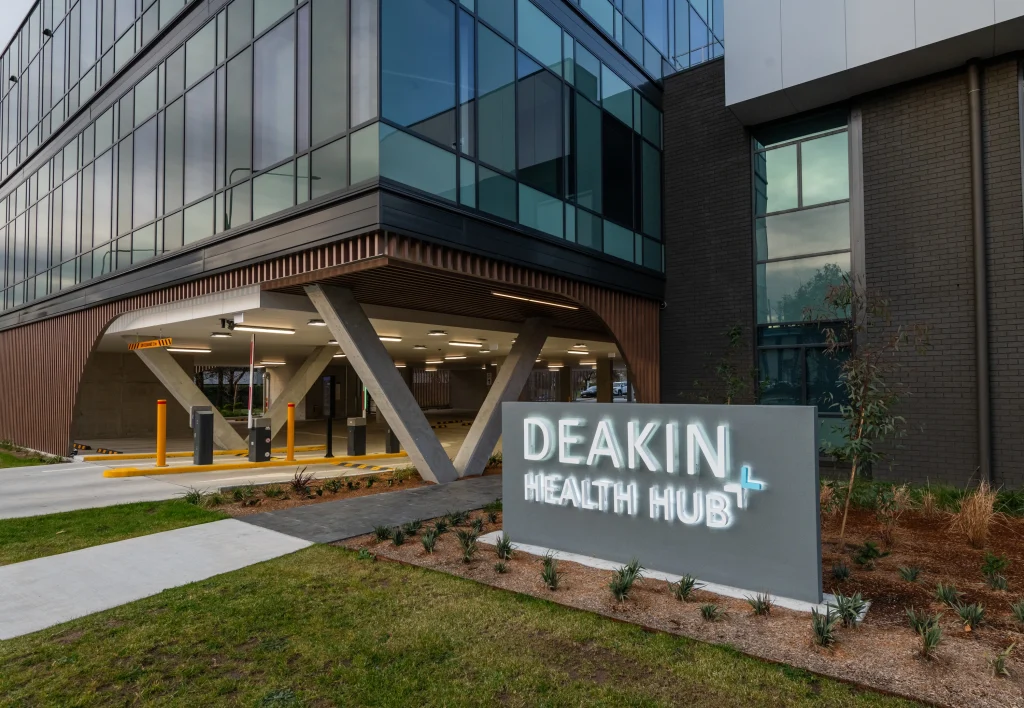

A groundbreaking mental health care model in Canberra is delivering impressive results, with new data from Deakin Private Hospital confirming it is leading the way nationally in transforming how Australians receive mental health treatment.
More than 1,300 patients have now been treated with this innovative model, which focuses on shorter hospital stays combined with intensive, wraparound care in the community. This shift in model is supporting significantly better long-term patient outcomes, prioritising care beyond hospital walls, supporting patients in their homes, alongside their families and communities, where real-life recovery happens.
Traditionally, private mental health readmission rates remain alarmingly high, with over 45% of psychiatric patients readmitted to hospital within 12 months, according to Medibank data.
At Deakin Private Hospital, readmission rates have consistently outperformed this standard, the average readmission rate at Deakin Private Hospital over the past 12 months has been 22%.
Practicing psychiatrist and Medibank Chief Medical Officer Andrew Wilson said the results highlight a critical shift in mental health care delivery. “This is exactly the direction mental health care needs to take in Australia. Shorter hospital stays combined with comprehensive, ongoing support in the home environment leads to better outcomes for patients,” Dr Wilson said.
"Recovery doesn’t happen in isolation. It happens in real life—at home, with family, with friends, and within the community. This model recognises that and wraps care around the patient in a way we haven’t seen at scale before. We are seeing patients not only stabilise more effectively but maintain their progress because they are supported where they actually live their lives."
The integrated model combines inpatient care, day programs, telehealth, and in-home clinical support, ensuring continuity of care well beyond discharge. Patients may begin with a short hospital stay before transitioning to structured, high-frequency support at home, including clinician visits and regular virtual check-ins.
Dr Wilson said the model reflects a broader transformation underway across the health system.
“This is part of a much-needed transition in healthcare, moving away from episodic, hospital-centric treatment toward continuous, patient-centred care,” he said.
“For many patients, especially those with trauma-related conditions, being treated at home with the right clinical and practical supports leads to better engagement, better recovery, and ultimately a better quality of life.”
This mental health model is being replicated nationally, with similar approaches implemented at iMH’s other hospitals, Nundah Private Hospital in Brisbane and Hirondelle Private Hospital in Sydney, expanding access to this innovative style of care for more Australians.
With demand for mental health services continuing to rise, the results from Canberra demonstrate a scalable, sustainable model that can re-shape mental health care across the country.
Contact details:
Alice Ross
External Affairs Manager