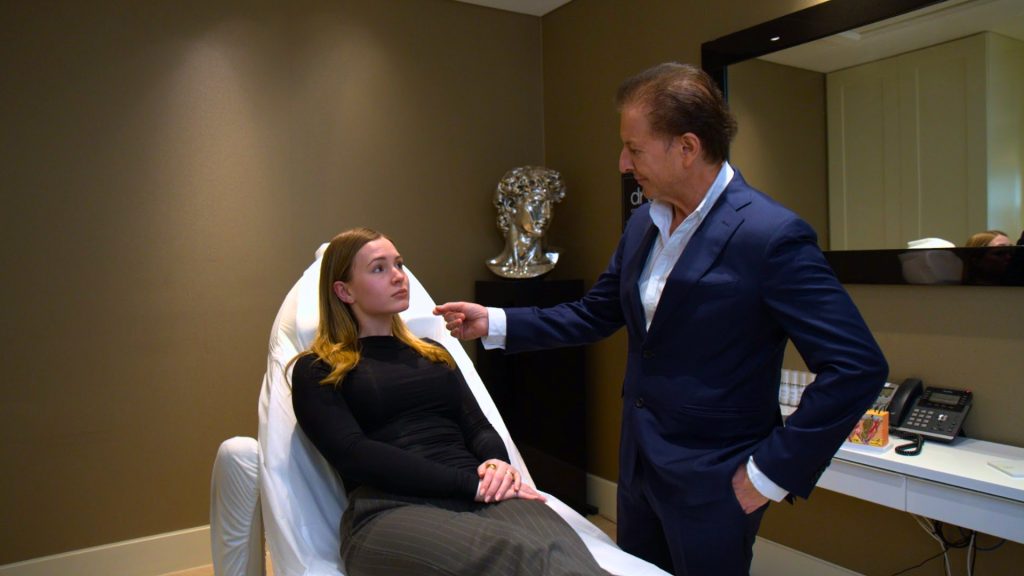
- Dr Tass Cosmetic and Skin Clinics warns that patient demand for exosome therapy is outpacing both regulatory oversight and sourcing standards, raising significant safety concerns outside clinical settings.
- Exosome therapy has a promising but early evidence base, with peer-reviewed studies showing improvements in skin tone, pigmentation, and hair density, though larger-scale trials are still required.
- Exosome preparations vary widely in quality, and properly manufactured products should include donor eligibility testing, virus screening, and sterility testing — documentation that most online or unvetted products lack entirely.
- Intradermal injection of exosome products is off-label, as most are formulated and tested for topical application; patients being offered injections are receiving a treatment not sanctioned by the manufacturer.
- Dr Tass Cosmetic and Skin Clinics uses exosome therapy clinically with fully documented quality controls, but raises concern about patients arriving having been injected elsewhere with unidentified products by providers who have conducted no suitability assessment.
MELBOURNE, Australia, 17 September 2026. Dr Tass Cosmetic and Skin Clinics, a Melbourne cosmetic medicine practice with more than 17 years of clinical experience since 2009 and over 60,000 procedures performed, says exosome therapy is attracting patient interest at a pace that has moved well ahead of both the regulatory framework and the sourcing standards that would make it safe to use outside a clinical setting.
Exosomes are small nano-sized vesicles produced and released by cells in the body. They play a role in cell-to-cell communication and, in aesthetic medicine, are being used to support skin repair, collagen production, and hair follicle restoration. The clinical evidence base is genuine but early: peer-reviewed studies have demonstrated improvements in skin tone, pore size, pigmentation, and hair density under controlled conditions. A 2023 systematic review published in the Journal of Cosmetic Dermatology confirmed preliminary evidence for exosome treatment in hair restoration, noting safety and early efficacy signals while flagging that larger-scale trials are still needed. A 12-week randomised split-face trial found significantly greater improvement in acne scars with adipose tissue stem cell-derived exosomes compared to control gel following fractional CO2 laser treatment.
The distinction Dr Tass draws is between exosome therapy administered in a clinical setting using a properly manufactured and quality-tested product, and the products patients are sourcing themselves or having administered by providers who are not working within a regulated supply chain. Exosome preparations vary significantly in their source, concentration, manufacturing process, and donor screening standards. A well-manufactured product goes through donor eligibility testing, virus screening covering HAV, HBV, HCV, HIV and others, multiple rounds of sterility and mycoplasma testing, and quantification at every stage from cell collection through to final product. Most exosome products available online or through unvetted providers carry none of this documentation.
A second issue is application method. Exosome products formulated for topical application are cosmeceuticals. Intradermal injection of exosome products is off-label, meaning it falls outside the intended use of the product as formulated and tested. Patients who are being offered exosome injections, rather than topical application combined with micro-needling or energy-based devices, are receiving a treatment that the manufacturer's own documentation does not sanction.
"The question I am asking about any exosome product is not just whether exosomes work. The peer-reviewed evidence for well-sourced, topically applied exosomes is building and it is promising. The question is what is actually in the product, where the donor tissue came from, what testing it went through, and whether the application method is on-label. Those questions have very different answers depending on where the product was sourced, and most patients have no way of knowing which answer applies to what they have been given," said Dr Tass Tasiopoulos, MBBS, BSc Hons, FCPCA, founder of Dr Tass Cosmetic and Skin Clinics.
Dr Tass Cosmetic and Skin Clinics offers exosome therapy as a clinical treatment following individual patient assessment, using a preparation with documented donor screening, manufacturing quality control, and a three-year shelf life managed under correct storage conditions. The practice operates across three Melbourne locations: Crown Spa Melbourne, Port Melbourne, and Ripponlea. It holds AGPAL accreditation, and all medical treatments are carried out following a thorough consultation to assess patient suitability.
"We are not against exosomes. We use them. The concern is patients arriving having been injected elsewhere with a product they cannot identify, at a dose nobody has established, by a provider who has not done a suitability assessment. That is not a research question. It is a sourcing and governance question, and right now the regulatory framework in Australia has not caught up with how fast this category is moving," said Dr Tasiopoulos.
About us:
About Dr Tass Cosmetic and Skin Clinics
Dr Tass Cosmetic and Skin Clinics is a Melbourne-based cosmetic medicine practice founded by Dr Tass Tasiopoulos (MBBS, BSc Hons, FCPCA), a registered medical practitioner with more than 17 years of clinical experience since 2009 and over 60,000 procedures performed. The practice operates across three Melbourne locations: Crown Spa Melbourne, Port Melbourne, and Ripponlea, and holds AGPAL accreditation
Contact details:
Dr Tass Cosmetic and Skin Clinics
Stephanie Tasiopoulos
03 9908 3737