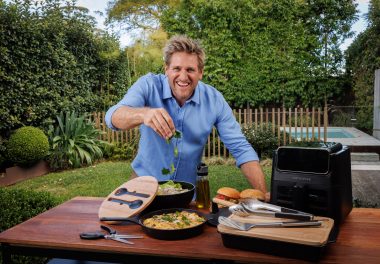
UNSW dementia prevention research is coming to stores and homes through brain-healthy food information, recipes and specially curated food boxes.
UNSW Sydney dementia prevention research is moving into Australians' shopping baskets this Dementia Action Week, through a new partnership with Harris Farm Markets.
The initiative aims to raise awareness of the role that diet and other lifestyle factors can play in supporting brain health and reducing the risk of developing dementia.
During Dementia Action Week, from 21–27 September, specially curated Brain Boxes will be sent to selected health, food and wellness content creators and nutritionists, who will use the ingredients to develop and share brain-healthy recipes.
Created by Harris Farm Markets using guidance provided by the UNSW Ageing Futures Institute, each Brain Box will contain a selection of everyday foods aligned with the MIND diet. The box will also be available for customers to purchase online through Harris Farm Markets.
Across all Harris Farm stores, shelf signage will highlight 20+ products selected with guidance from the UNSW Ageing Futures Institute and based on evidence surrounding diet and brain health. The signage will help customers identify brain-healthy choices as they shop and learn more about Dementia Action Week and UNSW’s dementia prevention research as they shop.
Information sheets available in stores and included in the Brain Boxes will provide practical guidance on brain-healthy eating, alongside information about UNSW research into dementia risk reduction.
UNSW Scientia Professor Kaarin Anstey, a global authority on cognitive ageing and dementia risk, said the campaign was about showing people that dementia is not necessarily an inevitable consequence of getting older.
“Research suggests that addressing modifiable health behaviours, including diet, physical activity, keeping mentally active, stopping smoking and managing vascular risk factors could help prevent or delay up to 45% of dementia cases,” Prof. Anstey said.
“When it comes to diet, evidence points to an overall healthy dietary pattern with plenty of vegetables, leafy greens, whole grains, nuts, legumes and berries, as well as fish and healthy fats such as olive oil. The Brain Box brings some of these foods together to show how easily people can incorporate brain-healthy choices into their everyday diet.
“The UNSW Ageing Futures Institute is delighted to partner with Harris Farm Markets to help raise awareness of the important role that healthy eating plays in dementia risk reduction. Together, we can show that simple, everyday food choices can be part of a healthier future for our brains.”
Cathy Harris, co-founder of Harris Farm Markets, said the family-owned fresh food retailer was proud to support UNSW in making its research more accessible to Australian families.
“Good food has always been at the heart of everything we do at Harris Farm. This partnership with Professor Anstey and the UNSW Ageing Futures Institute gives us the opportunity to show how everyday food choices can have a real impact on brain health—not just later in life, but through the choices we’re making right now,” Ms Harris said.
Food for a healthy brain
The Brain Boxes and in-store shelf signage will draw on evidence around dietary patterns associated with better brain health, making it easier for people to incorporate these foods into everyday meals.
Foods highlighted through the initiative will include:
- Whole grains, including oats, brown rice and quinoa
- Vegetables, including beetroot, cabbage and cauliflower
- Leafy greens, including baby spinach, kale and bok choy
- Nuts, including walnuts and almonds
- Beans and legumes, including chickpeas and lentils
- Berries, including blueberries and strawberries
- Poultry, including chicken breast and turkey
- Oily fish, including salmon and sardines
- Healthy fats, including extra virgin olive oil
Many of these foods are central to the MIND diet, an eating pattern that combines elements of the Mediterranean and DASH diets and was developed specifically with brain health in mind.
The principles of the MIND diet can be adapted to different cultures and cuisines, using locally available and seasonal foods. Leafy greens, for example, might include bok choy, spinach or kale depending on where you live and what is available.
Rather than promoting individual foods as a way to prevent dementia, Prof. Anstey said the focus is on helping people understand how an overall healthy dietary pattern can form part of a broader approach to reducing dementia risk.
“There's no single food that will prevent dementia,” Prof. Anstey said.
“What we want people to understand is that the everyday choices we make about what we eat can contribute to keeping our brains healthier as we age.
“Eating well is good for your brain. Small, achievable changes to what we eat can add up to meaningful benefits for long-term brain health.”
Ends
Contact details:
UNSW:Yolande Hutchinson
Mob: 0420 845 023
Harris Farm Markets: [email protected]