
KEY FACTS
- Working through pain: 9 in 10 (89%) currently working Australians with work-related pain keep working when they should rest, and half (49%) say they can’t afford to lose income. (ACA/Pureprofile, 2026)
- A national problem: 76% of Australians who have worked have experienced work-related musculoskeletal pain or injury, rising to 83% of those currently working. (ACA/Pureprofile, 2026)
- More than 400 serious claims a day: there were 147,200 serious workers’ compensation claims in 2024–25, each involving at least a week off work. (Safe Work Australia, Oct 2026)
- Musculoskeletal injuries lead: musculoskeletal injuries and diseases make up around 53% of serious claims. Body stressing such as lifting, pushing, pulling and bending is the leading cause, at 35.2% (51,800 claims). (Safe Work Australia, Oct 2026)
- 7.3 million Australians: 29% of Australians, almost one in three, live with a chronic musculoskeletal condition. (AIHW)
- Rising costs: musculoskeletal disorders cost the health system $17.5 billion in 2024–25, up $1.2 billion in a year. They are the third most costly disease group, behind cancer and cardiovascular disease. (AIHW, Oct 2026) and the total annual cost to the economy — including lost productivity and reduced quality of life — estimated at $55.1 billion (Deloitte 2018).
THE PRICE OF PAIN: COST OF LIVING FORCES AUSTRALIANS TO WORK THROUGH INJURY
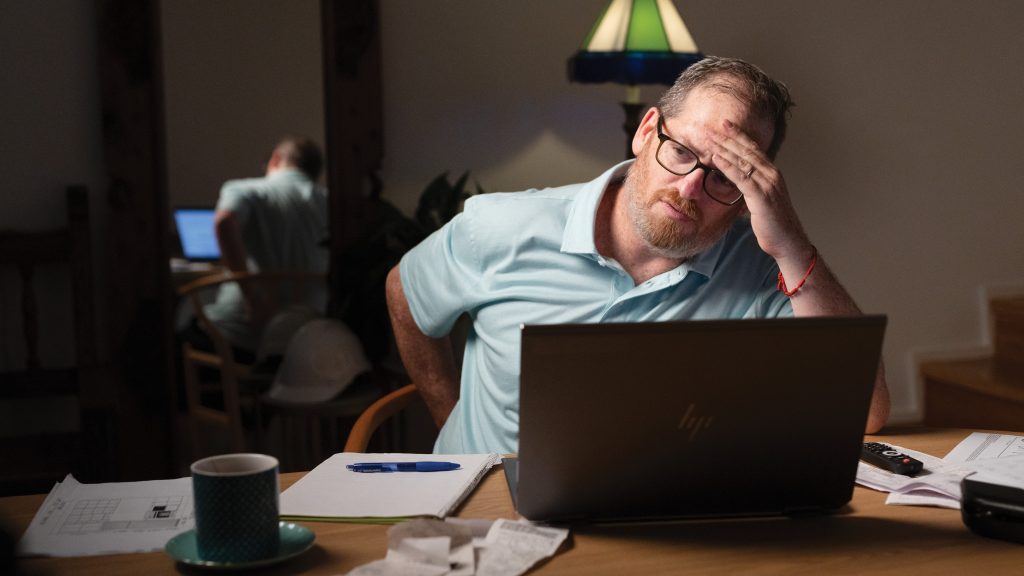
New national research reveals how cost-of-living pressures and job security concerns are influencing Australians' decisions to work through pain rather than rest, recover or seek treatment.
In launching WorkSpace Week 2026 (19–25 October), a new independent national survey has revealed that nine-in-ten (89%) working Australians experiencing work-related pain continued working over the past year despite feeling they should have rested or taken time off.
Almost half (49%) of those who worked through pain saying they couldn't afford to lose income, rising to 54% of women. The cost of living has also prevented 45% of working pain sufferers from taking time off to recover from an injury, while 42% reported delaying or avoiding medical treatment due to financial pressures.
The 2026 Impact of Work-related Musculoskeletal Disorders or Injuries on Australian Workers national survey of 1,056 Australians, commissioned by the Australian Chiropractors Association (ACA) and conducted by independent research firm Pureprofile, found that three-in-four Australians (76%) who’ve worked at some point in their lives (current workers, retirees, unemployed and those on leave), have experienced a work-related musculoskeletal disorder (WMSD) or injury.
Among respondents currently working, this rises to 83%. Alarmingly, 43% of pain sufferers currently working continue to work regularly with pain despite feeling that they should rest or take time off, rising to 50% of women compared to 37% of men, while many (40%) people with work-related pain never disclosed their pain or injury to their employer.
Job security was high on the list of concerns of those continuing to work despite being in pain (43%) rising to 50% among 18 to 30 year-old workers. Regional respondents were more likely than metro respondents to experience work-related pain regularly (46% vs 36%) and were less likely to take time off (41% vs 54%); while 31% of workers experiencing work-related pain have never sought a diagnosis or treatment and 65% having at least one untreated condition.
The survey identified that work-related back pain is becoming chronic with the back pain experienced by 44% of workers lasting longer than three months compared to just 21% who said their back pain had completely resolved.
ACA President Dr Billy Chow said, “The survey results show work-related pain has become an accepted part of working life for most Australians, with too many continuing to work rather than modify behaviour or seek early diagnosis and effective treatment.
“When people with a work-related injury continue working, a short-term problem can develop into a chronic condition that poses real long-term consequences for workers, their families, employers and the Australian economy,” he said.
83% of people surveyed whose job involves computer or desk work have experienced work-related pain, just below those who lift (88%) or push and pull (91%) while clinical healthcare workers are hardest hit with work-related pain at 93%.
The survey also identified the impact WMSDs or injuries have on productivity with 55% of current workers surveyed reporting that they had to take time off work which impacted them, their families and employers.
Safe Work Australia reports (2026) that the majority (53%) of workers’ compensation claims for serious injuries are for WMSDs which can develop into a chronic condition posing serious long-term implications for workers, their families, their employers’ bottom line and the economy.
“WMSDs can reduce workers’ productivity and quality of life while increasing psychological distress, bodily pain and disability, so it’s essential for employers to implement preventative measures and interventions. With over 400 serious workers' compensation claims lodged daily, we must prioritise workplace safety controls, regular risk assessments and early intervention to help prevent the long-term impacts on health, wellbeing and productivity,” Dr Chow said.
WMSDs are a range of inflammatory and degenerative conditions affecting the muscles, tendons, ligaments, joints, peripheral nerves and supporting blood vessels that can be caused by a single workplace event but commonly result from repeated harmful workspace activities over an extended period.
According to Safe Work Australia’s Key Work Health and Safety Statistics (Oct 2026), body stressing continues to be the most common mechanism for injury across every major occupation group causing traumatic ligament and muscle/tendon injury (53,900) and musculoskeletal and connective tissue diseases (24,000 – up 6.7% on the previous year). 85% of all serious workers’ compensation claims involved body stressing (51,800 or 35.2%), falls, slips and trips (32,700 or 22.2%), being hit by moving objects (23,800 or 16.2%) and mental stress (17,000 or 11.5%).
Aligning with Safe Work Australia’s National Safe Work Month and the Australian Work Health and Safety Strategy 2023–2033, WorkSpace Week, now in its fifth year, aims to help reduce the occurrence of WMSDs caused by physical and mental stress, repetitive work and poorly set up non-ergonomic workspaces.
WMSD risks include poorly executed lifting, pushing, pulling and bending; repetitive movements; poor posture; prolonged driving; and computer use in non-ergonomic workspaces. These can contribute to chronic neck and back pain, shoulder stiffness, headaches and other musculoskeletal conditions.
Mental stress can also impact workers physically, and can trigger neuro-musculoskeletal disorders, including tension and cervicogenic (neck-related) headaches that affect workers’ concentration, productivity, social engagement and their overall wellbeing and quality of life.
Australians most at risk of WMSDs include community and personal service workers such as healthcare, aged care, childcare, NDIS and disability service workers. Construction, manufacturing, tradies, labourers, technicians, drivers, and machinery operators are also among those at high risk of work-related injuries.
“Without early intervention, the relationship between pain and mental health can become a vicious cycle, worsening both conditions and affecting workers, their families and employers,” Dr Chow said.
“Incorrect and non-ergonomic use of technology in the workplace or when working remotely can also lead to WMSDs including Tension Neck Syndrome or ‘tech neck’ that’s a debilitating condition common among office workers.
“Of concern is that 52% of workers surveyed said they’re too busy to move or take movement or stretching breaks, 42% said they forget, and only 33% of those who work at a workplace take breaks often or every hour. Only 11% said they’re very confident in how to reduce work-related injury risks while of those who were not confident, 92% have experienced work-related pain compared to 73% of workers who are very confident of modifiable risks.
New figures from the Australian Institute of Health and Welfare revealed direct health expenditure on musculoskeletal disorders (MSDs) reached $17.5 billion in Australia in 2024–25, accounting for approximately 9% of health system spending attributed to disease and injury. MSDs were Australia's third most costly disease group, behind cancer ($21.7B) and cardiovascular diseases ($18.4b). According to Deloitte Access Economics, when combined with lost productivity, absenteeism, and reduced quality of life, the real cost to our economy exceeds $55.1 billion annually.
With prevention and early intervention providing the best protection against WMSDs, we’re urging employers and workers to join the WorkSpace Week movement by reviewing workplace safety controls, managing modifiable risks and encouraging early diagnosis, treatment and rehabilitation. Taking a proactive approach can help prevent chronic conditions, improve workers’ health and wellbeing, and reduce absenteeism and associated costs while supporting workplace productivity,” Dr Chow said.
Interventions can include modifying behaviour to improve workers’ posture; promoting regular exercise and breaks, stretching and strengthening; establishing ergonomic workstations; implementing task-specific changes and equipment modifications; implementing ongoing education in manual handling/lifting techniques; and organisational change to balance work hours and workloads to improve workplace culture that can minimise mental stress.
“With serious workers’ compensation claims for traumatic joint, ligament, muscle and tendon injuries, and musculoskeletal and connective tissue diseases increasing by 28.7% over the past eight years, WorkSpace Week highlights the importance of prevention and early intervention to reduce the incidence of work-related injuries and their long-term physical, psychological and financial impacts on workers, employers and economy,” said Dr Chow.
Employers and workers can download free resources including the WorkSpace Week Checklist, exercise posters, factsheets and podcasts at workspaceweek.org.au to help Australians Work Well From Head to Toe.
- ENDS -
#WorkSpaceWeek #WorkWellFromHeadToToe #AdjustYourThinking #SafeWorkMonth
Join the WorkSpace Week 2026 movement & register your organisation at workspaceweek.org.au.
INTERVIEW REQUESTS
Contact: Insight Communications 02 9518 4744 or [email protected]
Alice Collins: 0414 686 091 or [email protected] OR Clare Collins: 0414 821 957 or [email protected]
Media Centre:
Download comprehensive journalist notes, images, footage and more from https://bit.ly/WSW26-MediaCentre
Download Full Survey Report from 18 October: https://bit.ly/WSW26-WMSD-SURVEY
THE BURDEN OF MSDs and WMSDs IN AUSTRALIA - KEY FACTS
- Direct health costs for MSDs in Australia: $17.5 billion in 2024-25. MSDs ranked third for health system spending, behind cancer ($21.7 billion) and cardiovascular diseases ($18.4 billion) (AIHW 14 Oct 2026) – this is +7.4% or $1.2B up on previous year (2023-24).
- $55.1 billion was the estimated annual economic cost of musculoskeletal conditions in Australia, including direct healthcare costs, lost productivity and reduced quality of life (Musculoskeletal Australia, 2020-2021 & Deloitte)
- Work-related injuries and illnesses impact workers and their families deeply, as well as employers.
- Musculoskeletal injuries and diseases accounted for approximately 53% of serious workers' compensation claims in 2024–25p, comprising 53,900 traumatic joint, ligament, muscle and tendon injury claims and 24,000 musculoskeletal and connective tissue disease claims (Safe Work Australia, October 2026).
- Around 7.3 million (29%) Australians were estimated to be living with chronic MSDs with the prevalence unchanged since the previous survey in 2017-18 (AIHW 2026).
- MSDs are ranked the third leading disease group in the Australian Burden of Disease Study (2024) after cancer cardiovascular disease.
- 58% of MSD sufferers are of working age (25-64) in peak income-earning years
- Australian Institute of Health and Welfare (October 2026) reported:
- MSDs accounted for 12.7% of Australia's total disease burden.
- MSDs accounted for 22.9% of non-fatal disease burden.
- Back problems contributed 33% of the total burden attributable to musculoskeletal conditions
- MSDs account for the greatest proportion of persistent pain conditions (WHO, 2019).
- MSDs are the second largest contributor to disability worldwide, with low back pain being the single leading cause of disability globally (Musculoskeletal Australia, 2020-2021).
- Back pain is usually as a result of a musculoskeletal disorder (MSD).
- In 2018 the increase in musculoskeletal cases was projected to be 43% over the next two decades (Musculoskeletal Australia, 2018).
- Back problems can cause lost social and physical activity, concentration and work capacity and are a significant cause of disability and lost productivity with the economic burden on Australia, significant.
- International guidelines provide compelling evidence that opioids have a limited role in the management of acute back and neck pain and no role in managing chronic back pain.
- University of Sydney study published in the Lancet medical journal (23 June 2023), found opioids (among the most commonly prescribed pain-relief medication for people with low back and neck pain) do not benefit people with ‘acute’ low back or neck pain (lasting up to 12 weeks) and can result in experiencing worse pain.
- Opioids prescribed for low back and neck pain can cause harms ranging from common side effects including nausea, constipation, dizziness, dependency, misuse, poisoning and death and should not be recommended for ‘acute’ low back pain or neck pain or chronic low back pain or neck pain (RACGP).
- Chiropractic healthcare provides effective, low risk, drug-free treatment for back pain for all Australians regardless of their age, profession or lifestyle. This is particularly effective when combined with a holistic person-centred approach, addressing factors such as exercise and stress management.
EMBARGOED UNTIL 10AM SUNDAY 18 OCTOBER 2026 INDEPENDENT PUREPROFILE SURVEY - OVERVIEW
IMPACT OF WORK-RELATED MUSCULOSKELETAL DISORDERS OR INJURIES ON AUSTRALIANS
ABOUT THE SURVEY
- National online survey of 1,056 Australians aged 18+ who have worked (515 men, 541 women), commissioned by the Australian Chiropractors Association (ACA) and conducted by independent researcher Pureprofile. 65% live in metropolitan areas and 35% in regional areas, across all states and territories.
- 751(71%) respondents are currently working, 207 (20%) are retired and 98 (9%) are parents, students, unemployed or on leave (parental leave or workers compensation).
- All pain and injury figures are self-reported. In the report, “WMSD” (work-related musculoskeletal disorder) is shorthand for self-reported work-related pain or injury and does not mean a formal diagnosis.
KEY FINDINGS
- 76% of Australians who have worked have experienced work-related pain or injury, broadly unchanged from 77% in 2023. This rises to 83% of those currently working, and 82% of working Australians experienced it in the past 12 months.
- 89% of working Australians with work-related pain kept working when they felt they should have rested or taken time off, and 43% do so regularly (women 50%, men 37%).
- Back pain is the most common (67%), followed by neck or shoulder pain (61%) and headaches or migraines (61%). 77% of sufferers have had three or more types of pain or injury.
COST OF LIVING AND JOB SECURITY
- Half (49%) of those who worked through pain couldn’t afford to lose income (women 54%).
- The cost of living has led working pain sufferers to keep working despite pain (46%), not take time off to heal (45%) and not seek medical treatment (42%).
- Job security concerns kept 43% working despite pain, rising to 50% of those aged 18 to 30.
PAIN THAT LINGERS AND GOES UNTREATED
- 44% of people with work-related back pain say it has become chronic (lasting more than three months), and only 21% say it has completely resolved. 5% say it has left them unable to return to their previous work.
- 31% have never sought a diagnosis or treatment for any of their pain, and 65% have at least one condition that has gone untreated (women 71%, men 57%).
- 49% of pain sufferers in the past 12 months took leave because of it, rising to 55% of those currently working.
THE TOLL ON MENTAL HEALTH AND HOME LIFE
- 72% say their WMSD has affected their mental health and wellbeing (19% significantly or extremely), rising to 82% of 18- to 30-year-olds.
- 63% say it affects their quality of life. Among people with back pain, 80% say it affects household activities and 73% say it affects their sleep.
WHO IS MOST AFFECTED
- Women: 79% (men 73%), rising to 87% of working women.
- Age: 86% of 31- to 40-year-olds, the highest of any age group; 85% of women aged 25 to 30 (men 66%).
- Healthcare workers: 93% of people in clinical healthcare roles, the highest of any industry.
- Desk and physical jobs alike: 83% of people whose job involves computer or desk work, close to those who lift (88%) or push and pull (91%).
- Overtime and stress: 91% of workers who do overtime weekly or more (71% who never do) and 89% of those who experience workplace stress (77% with none).
WORKPLACES AND PREVENTION
- 40% of people with work-related pain never told their employer. Of those who did, 19% say no action was taken.
- Only 24% say their employer actively encourages movement breaks; 22% say breaks are allowed but not actively encouraged and 40% say their employer does not encourage them.
- 46% answered “No” when asked if their employer has ever done a formal ergonomic assessment (13% were not sure).
- 52% are too busy to take movement breaks and 42% forget. Only 33% of those who work at a workplace take breaks often or every hour.
- Only 11% are very confident they know how to reduce their risk. Among workers who are not confident, 92% have experienced work-related pain, compared with 73% of those who are very confident.
TOP 20 FINDINGS OF THE IMPACT OF WORK-RELATED MUSCULOSKELETAL DISORDERS IN AUSTRALIA 2026
1 Nine in ten working Australians with work-related pain are working through it
- 89% of currently working Australians with work-related pain kept working in the past 12 months when they felt they should have rested or taken time off.
- 43% do so regularly, rising to 50% of women (men 37%).
2 Cost of living is keeping injured workers on the job
- Half (49%) of working Australians who pushed through pain said they couldn't afford to lose income, rising to 54% of women.
- The cost of living has led 46% of working pain sufferers to keep working despite pain, 45% to not take time off to let an injury heal (54% of women) and 42% to not seek medical treatment.
3 Three in four Australians have experienced work-related pain, broadly unchanged since 2023
- 76% of Australians who have worked have experienced work-related pain or injury, broadly unchanged from 77% in 2023.
- Among those currently working it is 83% (women 87%). Two in three (67%) have had work-related back pain, and 39% experience at least one type of work-related pain regularly (women 45%, men 33%).
4 One in three people with work-related pain have never had it checked
- 31% of people with work-related pain have never sought a diagnosis or treatment for any of their pain, and 65% have at least one type of work-related pain that has gone untreated.
- Women are more likely to go without: 71% of women have at least one untreated condition (men 57%).
5 Work-related back pain is becoming chronic
- 44% of people with work-related back pain say it has lasted more than three months and become chronic, as have 41% with neck or shoulder pain.
- Only 21% say their back pain has completely resolved, the same as 2023 (20%), and 5% say it has left them unable to return to their previous work.
6 Pain is taking a toll on mental health, especially for young workers
- 72% of people with work-related pain say it has affected their mental health and wellbeing, and 19% say significantly or extremely.
- For 18 to 30 year olds this rises to 82%, with 27% significantly or extremely affected. Any mental health impact eases with age, to 60% of those aged 61 and over.
- One in four say their pain often or always contributes to stress (25%) and frustration (25%).
7 Women are carrying a heavier load
- 79% of women have experienced work-related pain (men 73%), rising to 87% of working women.
- Women are more likely to experience it regularly: back pain 29% vs 22%, neck or shoulder pain 28% vs 20% and headaches or migraines 23% vs 13%.
- Women also report more regular workplace stress (21% vs 13%).
Base: all respondents (male 515, female 541); currently working women, n=378.
8 Employers are missing in action, and many workers stay silent
- 46% answered "No" when asked if their employer has ever done a formal ergonomic assessment (13% were not sure). 40% say their employer does not encourage movement breaks; a further 22% say they are allowed but not actively encouraged.
- 40% of people with work-related pain never told their employer. Of those who did, 19% say no action was taken and 11% did not feel supported.
9 Too busy to move
- 52% of workers say they are too busy to take regular movement or stretch breaks and 42% forget.
- 11% worry that taking breaks will make them look less productive.
- Only 33% of those who work at a workplace take movement breaks often or every hour.
10 Work-related pain is widespread in desk-based and physically demanding jobs alike
- 83% of people whose job involves computer or desk work have experienced work-related pain (women 88%), close to those who lift (88%) or push and pull (91%).
- Computer use at work (31%), desk work (30%) and poor posture (30%) are the most commonly attributed causes, and 37% of people who use a smartphone at work do so with their neck bent and head down.
11 Pain peaks in the thirties
- 86% of 31 to 40 year olds have experienced work-related pain, the highest of any age group.
- Australians aged 50 and under are also far more likely to keep working through pain (87% to 89% of pain sufferers, compared with 58% of those aged 61 and over) and to say the cost of living has kept them working (48% to 51%, compared with 32% to 33%).
Base: all respondents by age (31 to 40, n=204); pain sufferers by age (18 to 30 n=183, 31 to 40 n=175, 41 to 50 n=142, 51 to 60 n=132, 61+ n=170).
12 Stress and pain go together
- 89% of workers who experience workplace stress regularly or sometimes have experienced a WMSD, compared with 77% of those with no workplace stress.
- Overall, 74% of respondents experience workplace stress, including 17% regularly.
13 Overtime and pain go together
- 91% of working Australians who do overtime weekly or more have experienced a WMSD, compared with 71% of those who never do overtime.
14 Job security fears are keeping people at work
- 43% of working pain sufferers say job security concerns led them to keep working despite pain, and 41% did not take time off to let an injury heal.
- Among pain sufferers aged 18 to 30, half (50%) say job security concerns have kept them working despite pain.
15 Work-related pain is costing time at work
- 49% of people with work-related pain in the past 12 months took time off work because of it, rising to 55% of those currently working.
- 39% of people with back pain took time off for it, and 20% took three or more days.
16 Healthcare workers are hardest hit
- 93% of people who work (or worked) in clinical healthcare roles such as doctors, nurses and allied health have experienced work-related pain, the highest of any industry, and 57% experience it regularly.
- Among those currently working in clinical healthcare it rises to 98% (51 of 52), including all 41 women.
17 Most sufferers have more than one condition
- 77% of pain sufferers have experienced three or more of the six types of work-related pain or injury.
- Asked which had the greatest impact in the past year, 38% named back pain and 28% headaches or migraines.
18 A knowledge gap on prevention linked to higher pain rates
- Only 11% of Australians are very confident they know how to reduce their risk of work-related neck, back or musculoskeletal pain, and 45% are neutral or not confident.
- Among workers who are not confident, 92% have experienced a WMSD, compared with 73% of those who are very confident.
19 Work-related pain follows people home.
- 80% of people with work-related back pain say it affects their ability to do household activities, and 73% say it affects their sleep.
- It reaches the household too: 25% say someone else in their household (a partner, child or other household member) has experienced work-related neck or back pain or headaches.
20 Where you live matters
- Regional respondents are more likely than metro respondents to experience WMSDs regularly (46% vs 36%).
- Among those with pain, regional workers are also more likely to keep working through it regularly (55% vs 39%) and less likely to take time off (41% vs 54%).
AUSTRALIAN STATES BREAKDOWN
|
Measure |
NSW |
VIC |
QLD |
WA |
SA |
TAS* |
ACT & NT* |
Australia |
|
Have experienced a WMSD |
77% (254) |
78% (219) |
73% (155) |
79% (80) |
72% (59) |
71%* (20) |
63%* (15) |
76% (802) |
|
Have experienced WMSD (% of those currently working) |
82% (207) |
87% (174) |
80% (111) |
88% (63) |
80% (43) |
84%* (16) |
75%* (12) |
83% (626) |
|
Experienced a WMSD in the past 12 months |
75% (246) |
77% (216) |
71% (150) |
76% (77) |
67% (55) |
64%* (18) |
58%* (14) |
73% (776) |
|
Regularly experience work-related pain |
36% (118) |
42% (117) |
42% (89) |
44% (44) |
34% (28) |
43%* (12) |
25%* (6) |
39% (414) |
|
Confident they know how to reduce their risk |
56% (185) |
48% (135) |
60% (127) |
52% (53) |
62% (51) |
68%* (19) |
63%* (15) |
55% (585) |
|
Age group with the highest WMSD rate (% of that age group) |
18 to 30 (87%) |
31 to 40 (88%) |
51 to 60 (89%) |
31 to 40 (91%)* |
31 to 40 (94%)* |
51 to 60 (89%)* |
31 to 40 (83%)* |
31 to 40 (86%) |
|
Have experienced a WMSD: men |
71% (115) |
77% (125) |
71% (69) |
76% (28) |
74% (29) |
63%* (5) |
67%* (6) |
73% (377) |
|
Have experienced a WMSD: women |
83% (139) |
81% (94) |
75% (86) |
81% (52) |
70% (30) |
75%* (15) |
60%* (9) |
79% (425) |
|
Base: pain sufferers |
n=254 |
n=219 |
n=155 |
n=80 |
n=59 |
n=20 |
n=15 |
n=802 |
|
Pain has affected their mental health |
71% (181) |
76% (166) |
66% (102) |
79% (63) |
68% (40) |
65%* (13) |
80%* (12) |
72% (577) |
|
Mental health significantly or extremely affected |
19% (49) |
22% (48) |
10% (15) |
19% (15) |
19% (11) |
30%* (6) |
40%* (6) |
19% (150) |
|
Pain often or always affects quality of life |
24% (61) |
21% (47) |
26% (41) |
36% (29) |
19% (11) |
40%* (8) |
33%* (5) |
25% (202) |
|
Never sought diagnosis or treatment for any condition |
31% (79) |
32% (70) |
27% (42) |
35% (28) |
34% (20) |
20%* (4) |
33%* (5) |
31% (248) |
|
Saw a GP for their pain |
49% (124) |
53% (115) |
59% (92) |
60% (48) |
56% (33) |
50%* (10) |
33%* (5) |
53% (427) |
|
Never told their employer about their pain |
38% (97) |
34% (74) |
48% (75) |
44% (35) |
49% (29) |
30%* (6) |
20%* (3) |
40% (319) |
|
Base: pain in the past 12 months |
n=246 |
n=216 |
n=150 |
n=77 |
n=55 |
n=18 |
n=14 |
n=776 |
|
Took time off work in the past 12 months |
48% (119) |
53% (115) |
48% (72) |
45% (35) |
47% (26) |
44%* (8) |
57%* (8) |
49% (383) |
|
Most common length of time off (% of those who took time off) |
1–2 days (41%) |
1–2 days (39%) |
1–2 days (44%) |
1–2 days (46%) |
1–2 days (42%)* |
1–2 days and 20+ days (38% each)* |
3–5 days (50%)* |
1–2 days (41%) |
|
Second most common length of time off |
3–5 days (24%) |
3–5 days (26%) |
3–5 days (26%) |
3–5 days (23%) |
6–10 days (27%)* |
3–5 days and 6–10 days (13% each)* |
1–2, 6–10, 11–20 and 20+ days (13% each)* |
3–5 days (25%) |
|
Third most common length of time off |
6–10 days (14%) |
6–10 days (17%) |
6–10 days (15%) |
20+ days (20%) |
3–5 days (19%)* |
– |
– |
6–10 days (15%) |
|
Base: working pain sufferers |
n=207 |
n=174 |
n=111 |
n=63 |
n=43 |
n=16 |
n=12 |
n=626 |
|
Kept working when they felt they should have taken time off |
90% (186) |
89% (154) |
87% (97) |
92% (58) |
91% (39) |
94%* (15) |
92%* (11) |
89% (560) |
|
Regularly keep working despite pain |
44% (91) |
39% (68) |
43% (48) |
51% (32) |
44% (19) |
50%* (8) |
50%* (6) |
43% (272) |
|
Cost of living affected at least one decision |
62% (128) |
63% (110) |
54% (60) |
65% (41) |
53% (23) |
63%* (10) |
58%* (7) |
61% (379) |
|
Base: workplace workers |
n=289 |
n=238 |
n=160 |
n=81 |
n=61 |
n=24 |
n=20 |
n=873 |
|
Take movement breaks often or always at the workplace |
30% (87) |
29% (69) |
36% (57) |
41% (33) |
44% (27) |
29%* (7) |
30%* (6) |
33% (286) |
Shows % and number (in brackets) giving each response. n in the column headings is all respondents in each state or territory; the shaded rows show the base for the measures below them. *Tasmania (28 respondents) and the ACT and Northern Territory combined (24 respondents) have small samples; results marked * are based on fewer than 30 respondents and should be treated with caution.
NEW SOUTH WALES: YOUNG WORKERS HIT HARDEST AND THE WIDEST GENDER GAP
- Prevalence: 77% have a WMSD (254 of 330), including 82% of current workers; 75% had one in the last 12 months.
- Gender: F: 83%, M:71%, the widest gap of the five largest states. 92% of women in Sydney have a WMSD (71 of 77).
- Time off: 48% of those with pain in the past year took time off, most often 1–2 days (41%), then 3–5 days (24%) and 6–10 days (14%). 90% of working pain sufferers kept working when they felt they should have taken time off (44% regularly).
- Mental health: 71% say their pain has affected their mental health (19% significantly or extremely).
- Most affected age group: 18 to 30 year olds (87%).
- Also: NSW pain sufferers are the least likely of the five largest states to have seen a GP (49%, national 53%).
VICTORIA: MORE INJURIES AND THE MOST TIME OFF
- Prevalence: 78% have a WMSD (219 of 279), including 87% of current workers; 77% had one in the last 12 months, the highest of any state.
- Gender: women 81%, men 77%.
- Injuries: the most likely of the five largest states to have had a muscle sprain or strain (53%), a disc injury or pinched nerve (32%) or a traumatic injury (24%).
- Time off: 53% took time off, the highest of the five largest states (58% of current workers), most often 1–2 days (39%), then 3–5 days (26%) and 6–10 days (17%). 89% kept working when they should have taken time off (39% regularly).
- Mental health: 76% affected (22% significantly or extremely).
- Most affected age group: 31 to 40 year olds (88%).
- Also: the least confident they know how to reduce their risk (48%, national 55%) and among the least likely to take movement breaks often or always at work (29%, national 33%).
QUEENSLAND: OLDER WORKERS MOST AFFECTED, AND MORE SILENCE
- Prevalence: 73% have a WMSD (155 of 212), including 80% of current workers; 71% had one in the last 12 months. Regional Queensland is lower again (70%, Brisbane 77%).
- Gender: women 75%, men 71%.
- Time off: 48% took time off, most often 1–2 days (44%), then 3–5 days (26%) and 6–10 days (15%). 87% kept working when they should have taken time off (43% regularly).
- Mental health: 66% affected, and only 10% significantly or extremely, the lowest of any state (national 19%).
- Most affected age group: 51 to 60 year olds (89%), the only one of the five largest states where people in their fifties are most affected.
- Also: nearly half (48%) of pain sufferers have never told their employer about their pain (national 40%).
WESTERN AUSTRALIA: THE HIGHEST RATES AND THE HEAVIEST TOLL
- Prevalence: 79% have a WMSD (80 of 101), the highest rate, rising to 82% in Perth; 88% of current workers and 76% in the last 12 months.
- Gender: women 81%, men 76%.
- Time off: 45% took time off, most often 1–2 days (46%) and 3–5 days (23%), but 20% of those who took time off had more than 20 days off (national 11%; indicative, 7 of 35). 92% kept working when they should have taken time off, and 51% did so regularly, the highest of the five largest states (national 43%).
- Mental health: 79% affected (19% significantly or extremely); 36% say pain often or always affects their quality of life, the highest of the five largest states (national 25%).
- Most affected age group: 31 to 40 year olds (91%).
- Also: the most likely of the five largest states to experience work-related pain regularly (44%, national 39%).
SOUTH AUSTRALIA: THE LOWEST RATE, BUT UNDER-40S HIT HARD
- Prevalence: 72% have a WMSD (59 of 82), the lowest of the five largest states, including 80% of current workers; 67% had one in the last 12 months.
- Gender: men 74%, women 70%, the only one of the five largest states where men are ahead.
- Injuries: the least likely to have had a disc injury or pinched nerve (17%) or a traumatic injury (9%).
- Time off: 47% took time off, most often 1–2 days (42%), then 6–10 days (27%) and 3–5 days (19%). 91% kept working when they should have taken time off (44% regularly).
- Mental health: 68% affected (19% significantly or extremely).
- Most affected age groups: 31 to 40 year olds (94%) and 18 to 30 year olds (92%) (indicative, small bases).
- Also: the most likely to take movement breaks often or always at work (44%, national 33%), but almost half of pain sufferers (49%) have never told their employer.
TASMANIA (INDICATIVE, 28 RESPONDENTS)
- 71% have a WMSD (20 of 28), including 84% of current workers; 64% had one in the last 12 months. Women 75%, men 63% (8 men surveyed).
- 8 of 18 with pain in the past year took time off, and 15 of 16 working pain sufferers kept working when they should have taken time off. 30% report a significant or extreme mental health impact (6 of 20). People aged 51 to 60 are most affected (8 of 9).
ACT AND NORTHERN TERRITORY (INDICATIVE, 24 RESPONDENTS)
- 63% have a WMSD (15 of 24), the lowest rate, including 75% of current workers; 58% in the last 12 months.
- Those affected are the most likely to take time off (8 of 14) and to report a mental health impact (12 of 15). 11 of 12 working pain sufferers kept working when they should have taken time off.
METRO AND REGIONAL
- The regional divide. Metro respondents are slightly more likely to have experienced a WMSD (77% vs 73% regional), partly because fewer regional respondents are currently working (60% vs 77%). Among current workers, the rates are 84% (metro) and 81% (regional).
- Regional respondents carry a heavier load. Compared with metro respondents, they are more likely to:
- experience work-related pain regularly (46% vs 36%);
- regularly keep working despite pain (55% vs 39% of working pain sufferers);
- say pain often or always affects their quality of life (30% vs 23% of pain sufferers); and
- never tell their employer about their pain (43% vs 38% of pain sufferers).
- Less time off and less support. Regional pain sufferers are less likely to have taken time off in the past 12 months (41% vs 54% metro), and regional respondents are less likely to say their employer actively encourages movement breaks (20% vs 26%). These gaps hold for both men and women.
- But more likely to get help. Regional pain sufferers are more likely to have seen a GP (56% vs 52%) and less likely to have never sought a diagnosis or treatment (27% vs 33%)
ACA MEDIA SPOKESPERSONS - NATIONAL & ALL STATES & TERRITORIES
Note: Case studies are also available on request.
Dr Billy Chow – President, Australian Chiropractors Association – National & South Australia
Dr Billy Chow, President of the Australian Chiropractors Association, graduated as a chiropractor from RMIT University in 1998. Since graduating, he has built a varied career in private practice, on boards, and in business. Dr Chow is passionate about educating and inspiring people to make better choices and live healthier lives. He serves as a Lecturer and ACC Program Coordinator (Diploma) at the Australian Chiropractic College, Adelaide, and runs a healthcare business consultancy providing practitioners with personalised business support and mentorship.
Dr David Cahill – Vice President, National & Victoria
ACA Vice President, Dr David Cahill has been a registered, practicing chiropractor since 1991, in the Malvern East area of Melbourne since 1998. He loves helping people of all ages, from newborn babies and toddlers to those in their more senior years. David is very active in post-graduate education, continually upskilling in many aspects of chiropractic. David’s passion is to help people have transformative experiences and help the chiropractic profession advance its standing in the Australian community.
Dr Damian Kristof – National & Victoria
Nutritionist, Naturopath and Chiropractor, Dr Damian Kristof is a highly sought-after presenter and speaker in the Wellness industry. With 30 years of experience, Damian’s in-depth knowledge of the body, nervous system, food functions and responses coupled with his friendly and dynamic presenting style, has him in high demand. Focusing on food as key to unlocking optimal health and wellness, Damian presents in-depth facts and concepts that have never been readily available to the public - offering all audiences from industry experts to the general public highly valuable content as he engages, educates and inspires audiences across the globe.
Dr Kim Lie Jom – NSW & National
Dr Kim Lie Jom has been a registered and practicing chiropractor in NSW for the past 30 years. His commitment to the wellbeing of his patients extends beyond chiropractic adjustments, as he understands the importance of holistic health for every individual. With a family of three kids of his own, he truly comprehends the value of family wellness. As a respected community leader, Dr Jom has become an integral part of the local community. His reputation extends not only for his exceptional chiropractic skills but also for his dedication to community service. He is a Board Director and proud member of the Australian Chiropractors Association (ACA), showcasing his commitment to the highest standards of professional practice. His involvement in the ACA goes beyond membership – he currently holds several key positions within the organisation, including Public Education, Audit and Risk, the Eastern Regional Committee. He is a dedicated member of the Australian Spinal Research Foundation (ASRF), demonstrating his commitment to advancing chiropractic knowledge and contributing to research in the field. Dr Jom’s prominence in the chiropractic community is exemplified by his passion, dedication, and leadership in promoting health and wellbeing for individuals and families alike.
Dr Ashley Dent – Tasmania
Dr Dent graduated from Macquarie University in Sydney in 2010, where he received the Ed Devereaux Award for Services to the Student Body. He is actively involved with the Australian Chiropractors Association (ACA) at both state and national levels, currently chairing the Public Engagement Committee and contributing to two other committees. In 2023, he was recognised with a Meritorious Service Award from the ACA. Dr Dent has a keen passion for helping people improve their long-standing (chronic) back and neck pain and then progressing their spinal health through exercise and rehabilitation so that they are stronger and healthier than they’ve ever been.
Dr Michelle Ronan – Victoria
Michelle has been a registered chiropractor since graduating from RMIT in 2005 and has practiced in the Albert Park area since 2010. Michelle’s passion lies in helping people’s bodies perform better to allow them to get more out of life, whether that be to enhance sports performance, rehabilitation of chronic conditions, during pregnancy, or to support general health and wellbeing. Michelle loves helping people of all ages and stages of life on their health journey. Michelle previously sat on the Victorian branch of the CAA (now the Australian Chiropractors Association) and is currently completing a Master’s through RMIT.
Dr Adam Smith – Queensland
Dr Adam Smith (Chiropractor) has over 22 years of experience in family-based chiropractic care. He has experience working in many communities around Australia and internationally, including regularly serving on committees that guide health policy on a state and Australian federal level, as well as in the UK. With a special interest in family health and wellness, Dr Smith works with local community groups, charities, workplaces and schools to improve access to chiropractic care for those who want it. He believes that all Australians should have access to quality chiropractic services, so he is currently working with a group that is expanding chiropractic access in regional and rural areas of Australia across six states and territories.
Dr Joshua Tymms – Western Australia
Dr Joshua Tymms is a registered chiropractor with two decades of clinical experience, having graduated from Murdoch University in 2006. Throughout his career, he has worked with a wide range of patients, including elite-level athletes, with a strong focus on structural correction and long-term spinal health outcomes. Josh holds dual Master’s degrees in Public Health and Business Administration, equipping him with advanced expertise in health leadership, strategy, and research. He serves as Vice President of the Advanced Bio-Structural Correction Australasia (ABCA), where he leads initiatives to expand the research base supporting structural correction and strengthen the profession’s evidence-informed direction. Over the past decade, Josh has held multiple leadership and advocacy roles within the Australian Chiropractors Association, contributing to policy, professional standards, and the future direction of chiropractic in Australia. In addition to his clinical and leadership work, Josh is the founder of Chiro Van, a mobile healthcare service designed to improve access to chiropractic care across the community. He remains committed to helping people move better, feel better, and live more active lives through high-quality, patient-centred care.
Dr Ali Young – Western Australia
Dr Ali Young is a Chiropractor with over 23 years’ experience working specifically with families, children and women. She has owned practices and worked in both Western Australia and Queensland and loves taking care of those children who love that extra jolt of frivolity, playfulness and joy in their healthcare. She is an advocate for Working Mothers, with her book, Work. Mama. Life widely received upon its publication in 2022. She is a mother of two and now works with female chiropractors inside her coaching and membership programs, combining these two great loves with her chiropractic work. She is a sought-after speaker, MC, and strategist for female chiros wanting to “have it all” – a supercharged practice, a work/life balance and a whole lot of fun. She has written for most major newspapers around Australia, has a podcast “Work Mama Life” with over 20,000 downloads, and is often called upon as an expert for the neurological regulation for working mothers. She has been a chiropractic patient since she was 15 years old and thinks there is no greater gift than providing the support families need to allow their health to shine.
About us:
THE AUSTRALIAN CHIROPRACTORS ASSOCIATION
Established in 1938, the Australian Chiropractors Association (ACA) is the peak body representing chiropractors. The ACA promotes the importance of maintaining spinal health to improve musculoskeletal health through non-invasive, drug-free spinal health and lifestyle advice to help Australians of all ages lead and maintain healthy lives.
The premier association for chiropractic healthcare in Australia with over 3,000 members, the ACA is Australia’s largest chiropractic health body and has taken a leadership role in promoting the importance of maintaining a healthy spine to improve the overall health and wellbeing of every Australian.
ACA develops and promotes professional standards for chiropractors, has invested $2.4 million to advance research in musculoskeletal health, builds evidence-based practice for chiropractic healthcare and actively promotes the importance of spinal health through its annual flagship campaign, national Spinal Health Month and WorkSpace Week.
Every week 400,000 chiropractic healthcare consultations are creating well-adjusted Australians. With so many Australians visiting a chiropractor every week, chiropractors play an important role in improving the spinal health of everyday Australians. consultachiro.org.au
ACA’S INVESTMENT IN MUSCULOSKELETAL HEALTHCARE
As a leader in musculoskeletal health, ACA has invested over $2.4 million to advance research in building evidence-based practice for chiropractic healthcare and promotes the importance of maintaining spinal health through National WorkSpace Week and National Spinal Health Month - Australia’s longest running and award-winning health awareness campaign dedicated to improving the spinal health of Australians of all ages.
Contact details:
Insight Communications 02 9518 4744 or [email protected]
Alice Collins: 0414 686 091 or [email protected] OR Clare Collins: 0414 821 957 or [email protected]